Unified Workflows in Betting Administration: Integrating Refresh Cycles with Publishing Operations
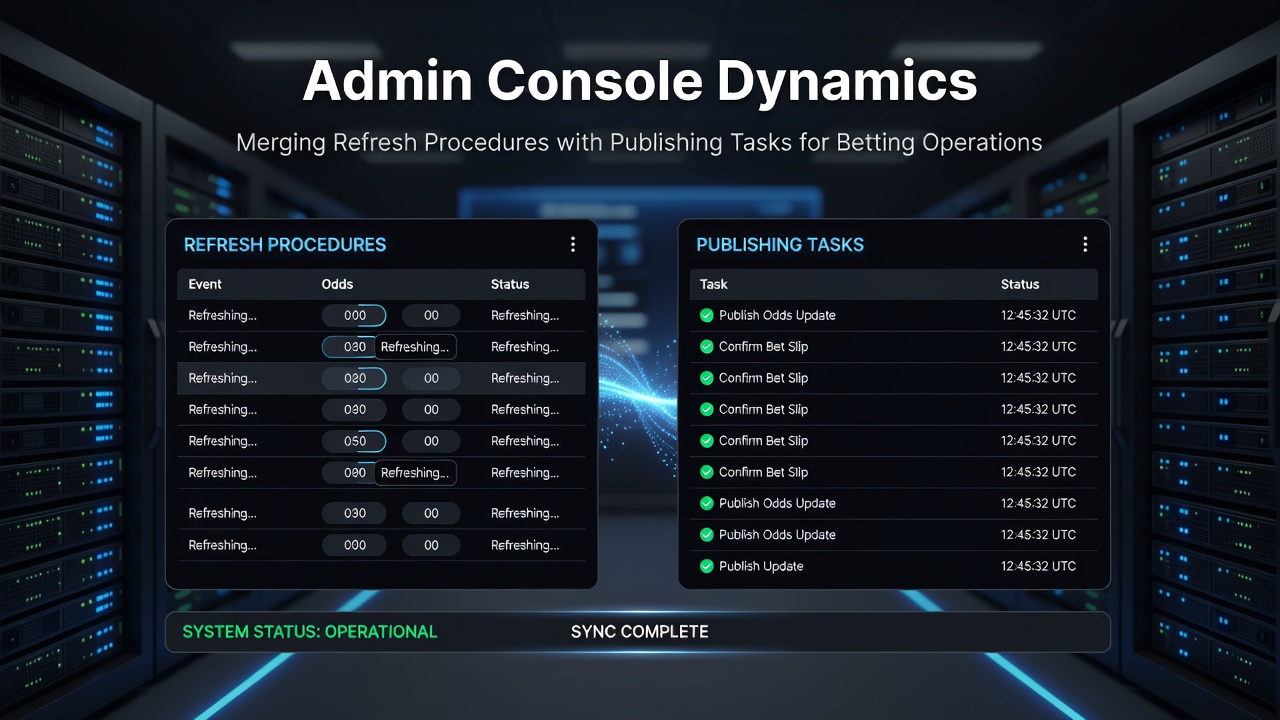
Betting operations rely on admin consoles that handle both real-time data updates and content deployment in coordinated sequences. These systems combine refresh procedures, which pull fresh odds and market information, with publishing tasks that release articles, promotions, and event pages to live environments. Data from industry reports shows that platforms managing these functions together reduce latency between information arrival and public availability.
Refresh cycles in betting consoles typically operate on scheduled intervals or event triggers. When a sports match begins or regulatory changes occur, the console initiates a refresh that updates backend databases before any publishing action proceeds. This sequence prevents mismatches where users see outdated figures alongside new promotional material. Observers note that operators who align these steps see fewer synchronization errors across their sites.
Core Components of Merged Console Processes
Publishing tasks cover content creation, approval workflows, and deployment to front-end servers. In merged setups, these tasks wait for confirmation that refresh procedures have completed successfully. Console dashboards display status indicators for both functions side by side, allowing staff to monitor progress without switching between separate modules. Research from gaming technology studies indicates that integrated interfaces cut average task completion time by measurable margins compared with siloed tools.
Operators schedule bulk refreshes during low-traffic periods while publishing time-sensitive announcements immediately after data confirmation. July 2026 brings planned platform upgrades across several regions that will introduce automated handoff protocols between these two functions. Those upgrades aim to standardize how consoles signal completion of a refresh before triggering a publish action.
Operational Sequences in Practice
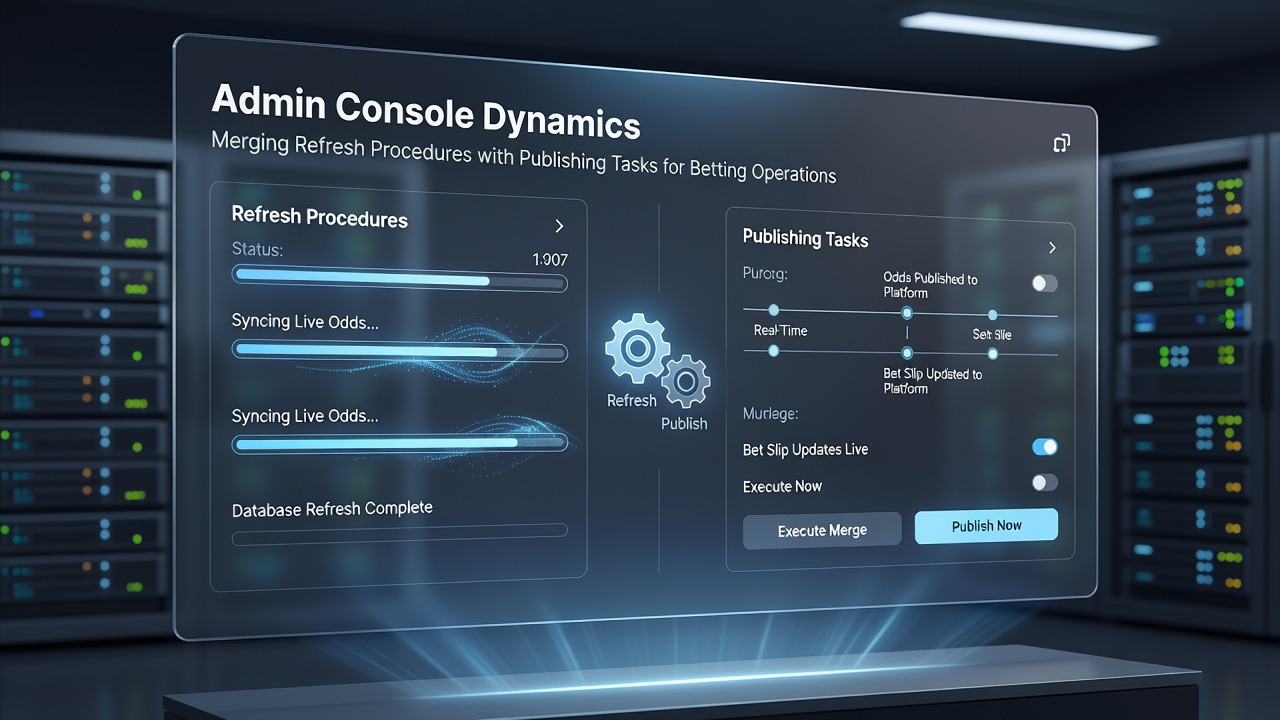
Staff members begin by queuing content for publication inside the console editor. The system then checks refresh status across connected data feeds. If odds or event details require updating, the refresh runs first, followed by automatic publishing once verification passes. This order maintains consistency between displayed numbers and accompanying text or images.
Case examples from North American platforms demonstrate how merged workflows handle high-volume periods such as major league playoffs. During these events, consoles process hundreds of simultaneous refresh requests while releasing updated preview articles. According to findings from the Canadian Gaming Association, coordinated systems lowered content delay incidents during peak activity windows.
European operators follow similar patterns but incorporate additional compliance checks before publishing. Refresh procedures must confirm that all market data aligns with current licensing rules, after which publishing proceeds. This two-step verification appears in console logs as paired timestamps for refresh completion and publish execution.
Technical Integration Points
API connections link refresh modules directly to publishing engines inside the admin console. When a refresh finishes, it sends a signal that unlocks the publish queue. Administrators configure these triggers through settings panels that define dependencies between the two operations. Studies from academic sources on real-time systems show that dependency mapping reduces manual intervention requirements.
Console logs record each merged action with details on timing, data sources accessed, and content items released. These records support audits by external reviewers who examine whether refresh and publishing stayed synchronized. Platforms that maintain detailed logs meet reporting standards more readily during periodic evaluations.
Regional Variations in Implementation
Australian operators emphasize automated refresh triggers tied to local sporting calendars, then publish localized content once data stabilizes. The sequence appears in their consoles as color-coded progress bars that advance from refresh to publish stages. Reports from the Australian Gaming Council document how these aligned processes support consistent user experiences across multiple time zones.
North American examples focus on multi-state compliance layers that refresh regulatory flags before any promotional publishing occurs. Console interfaces present these layers as sequential gates that must clear before content deployment. Data collected across jurisdictions reveals that merged gating mechanisms decrease the frequency of post-publish corrections.
Conclusion
Admin consoles that merge refresh procedures with publishing tasks create streamlined pathways for betting operations. These unified approaches coordinate data updates and content releases through shared interfaces and automated signals. Evidence from multiple regions shows measurable improvements in timing accuracy and error reduction when the functions operate as connected steps rather than independent actions. Future platform updates scheduled around July 2026 will likely expand these integrations further across global markets.