Strategic Backend Configurations Elevating Digital Betting Platform Interfaces and Content Management
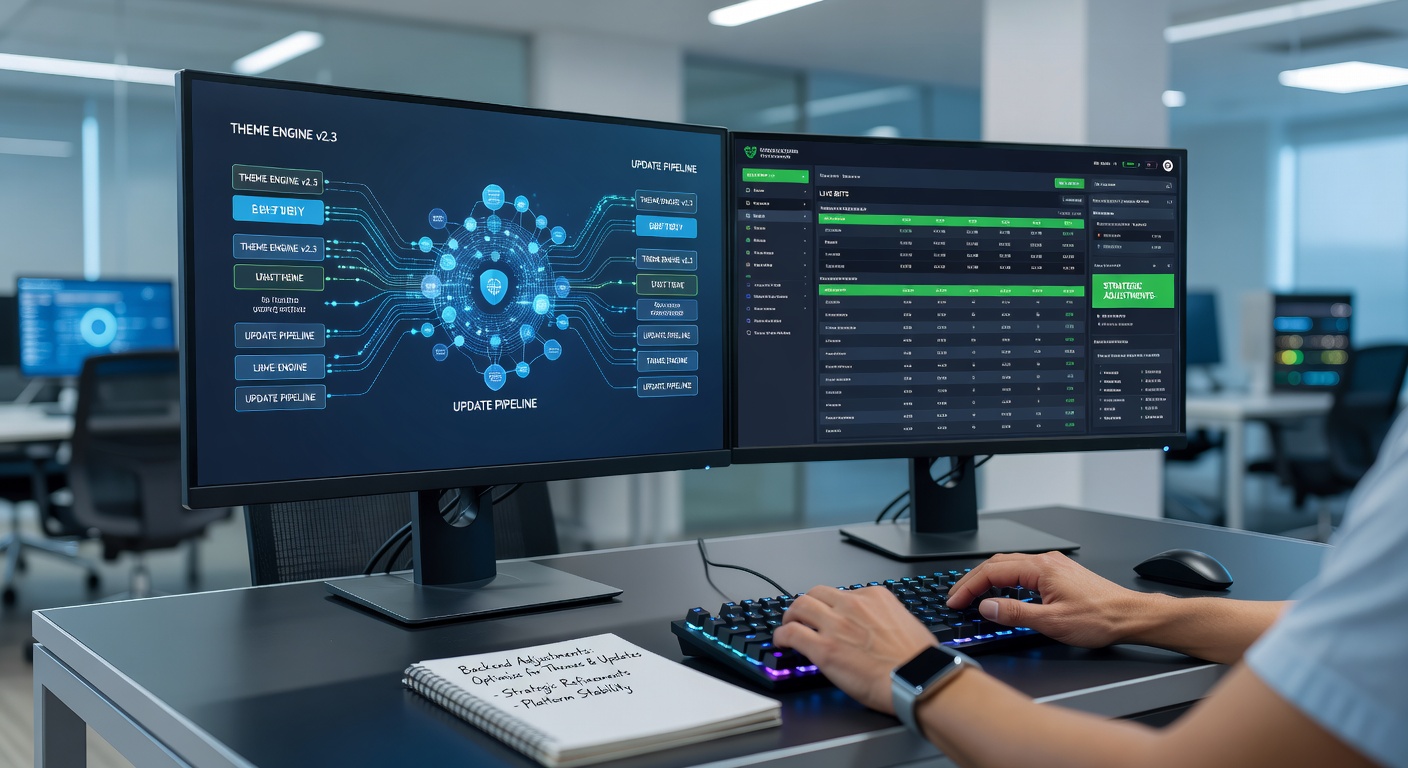
Digital betting platforms rely on precise backend adjustments to maintain competitive interfaces while ensuring seamless content refreshes and theme modifications across user experiences. Operators manage these systems through administrative dashboards that control visual elements, plugin integrations, and scheduled updates without interrupting live operations.
Core Components of Backend Theme Management
Theme adjustments begin with access to centralized control panels where administrators select color schemes, layout structures, and navigation menus tailored to regional player preferences. Data from industry reports indicate these changes often occur in response to user behavior analytics collected over multiple quarters, allowing platforms to align designs with evolving engagement patterns while maintaining compatibility with mobile and desktop environments.
Researchers at various academic institutions have documented how modular theme frameworks enable rapid swaps between light and dark modes or localized branding elements. These frameworks connect directly to database structures that store user session data, ensuring personalized displays load efficiently during peak traffic periods such as major sporting events.
Update Protocols and Their Implementation
Strategic updates follow structured workflows that test new features in isolated environments before deployment across production servers. Platform teams coordinate plugin revisions, security patches, and content additions through version control systems that track every modification with timestamps and approval logs. According to findings from the Australian Gambling Research Centre, coordinated update schedules reduce downtime incidents by measurable percentages in monitored jurisdictions.
Administrators often schedule bulk content refreshes during off-peak hours while utilizing caching mechanisms that preserve front-end stability. This approach supports continuous delivery of promotional banners, odds adjustments, and regulatory compliance notices without requiring full site restarts. Observers note that integration with third-party APIs for live data feeds demands particular attention during these cycles to avoid synchronization errors.
Case Examples from Operational Environments
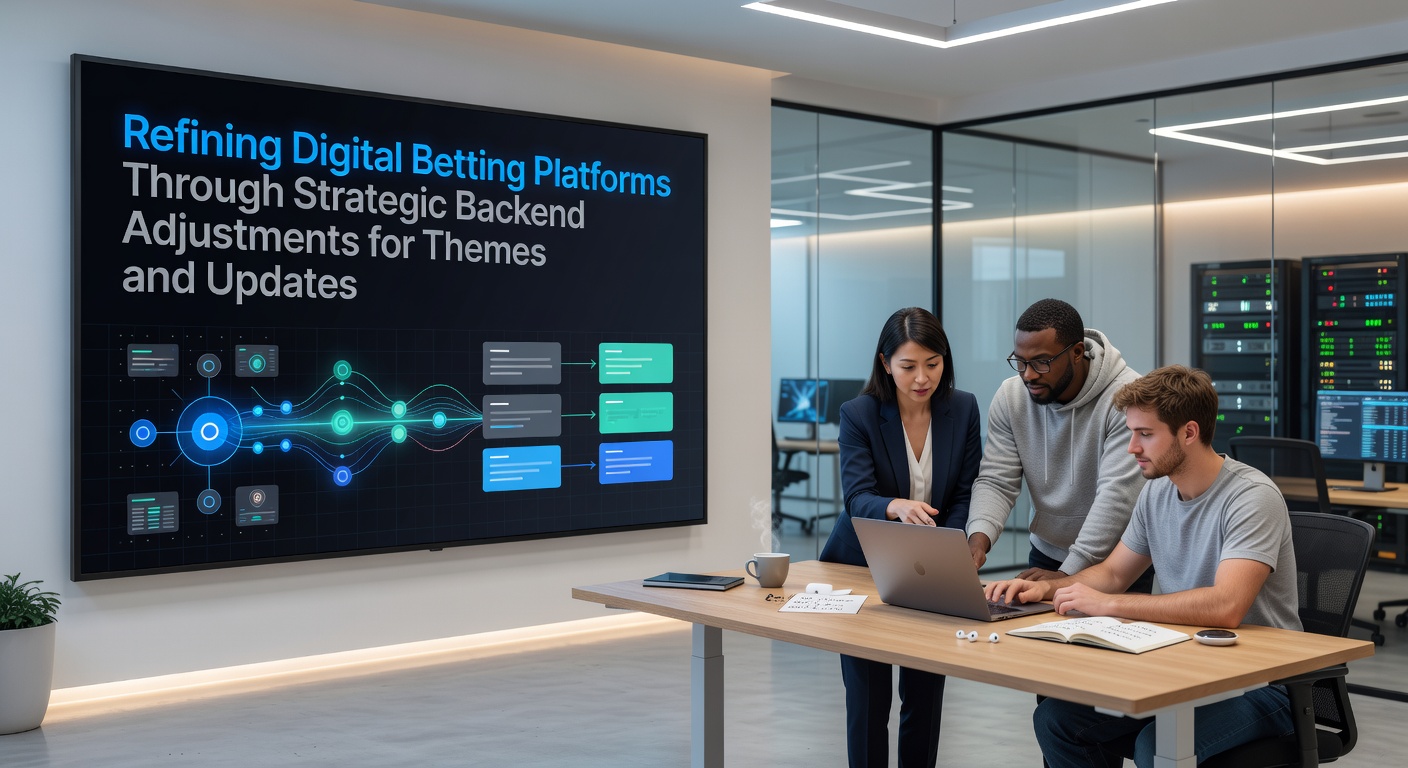
One European operator implemented a phased backend rollout where theme variants were A/B tested across segmented user groups over six weeks. The process involved adjusting font sizes, button placements, and animation speeds based on heat map data gathered from thousands of sessions, resulting in documented improvements to navigation efficiency metrics.
Another instance involved a North American platform that synchronized its content management system with regulatory reporting tools. Administrators used custom scripts to automate the insertion of responsible gaming messages into updated themes, ensuring compliance alignment while refreshing visual assets quarterly. Studies from university-led projects on digital gambling infrastructure have highlighted similar patterns where backend automation correlates with faster response times to market shifts.
Integration of Analytics and Customization Tools
Analytics dashboards embedded within backend systems provide real-time feedback on theme performance across different devices and connection speeds. Teams cross-reference these insights with player retention figures to refine menu hierarchies and promotional placements. What's interesting here is how these tools often incorporate machine learning elements that suggest layout optimizations based on historical interaction data from comparable platforms.
Plugin ecosystems expand functionality by connecting payment gateways, chat support modules, and loyalty program trackers directly to the core theme architecture. Careful version management prevents conflicts that could arise when multiple extensions receive simultaneous updates, and administrators rely on staging sites to validate compatibility beforehand.
Future Preparations Across Global Markets
Platform providers continue investing in scalable backend architectures that accommodate growing regulatory requirements in multiple regions. Preparations for enhanced reporting features and interface localizations are already underway, with some operators targeting deployment phases aligned with industry cycles extending into 2026. The National Council on Problem Gambling has published resources on technology standards that influence these development roadmaps.
Conclusion
Backend adjustments for themes and updates form the operational backbone of modern digital betting platforms, enabling responsive design changes and reliable content delivery. Through systematic testing, analytics integration, and coordinated deployment practices, operators sustain platform stability while adapting to shifting technical and regulatory landscapes. These processes rely on established administrative tools and data-driven decision frameworks that continue evolving alongside broader industry advancements.