Sequencing Strategies Across Gambling Platforms: Content Flows, Design Updates, and Maintenance Schedules
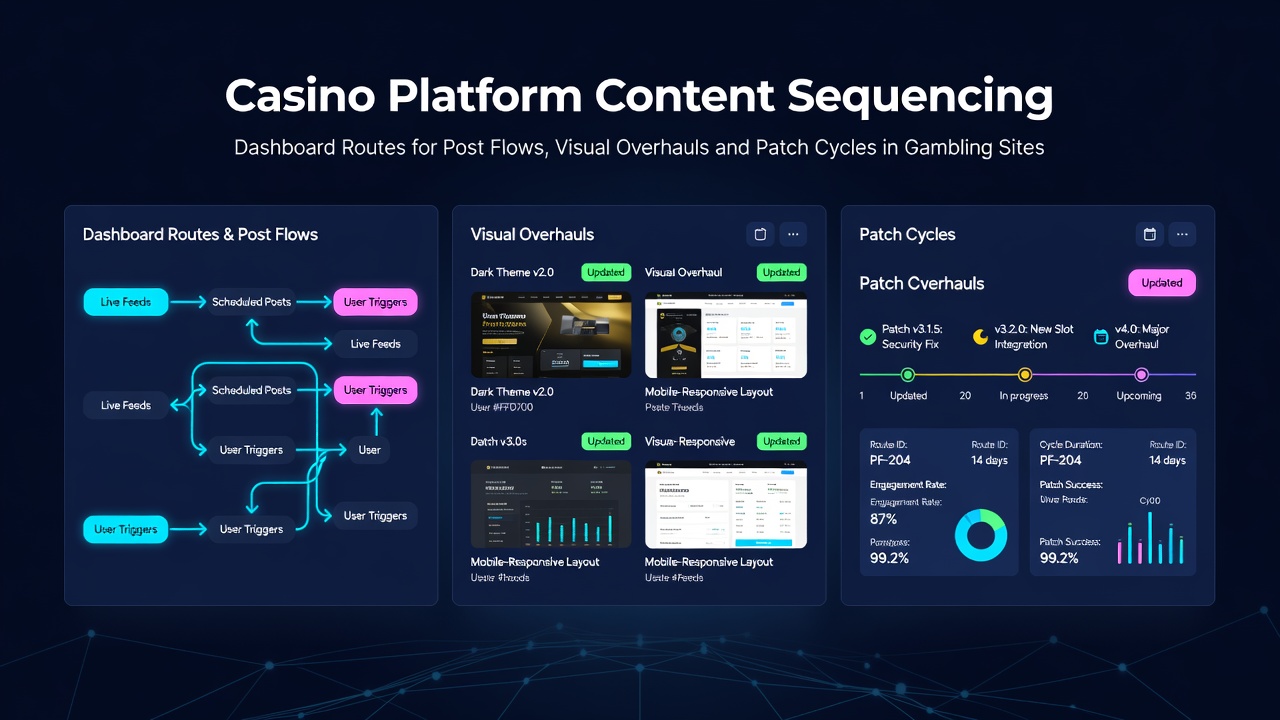
Online gambling platforms organize their content through structured sequencing methods that coordinate promotional posts, game updates, and user notifications into logical progressions; these sequences help maintain consistent player engagement across multiple regions while aligning with regulatory timelines. Operators map out post flows by prioritizing new game releases first, followed by bonus announcements and loyalty program reminders, which creates a predictable rhythm that users come to expect during regular visits.
Mapping Post Flows in Live Casino Environments
Content teams at major sites establish clear routes for posts that begin with backend scheduling tools and move through approval stages before publication, and this process allows simultaneous updates across desktop and mobile versions without disrupting ongoing sessions. Research from the University of Nevada Reno indicates that platforms using phased post flows see steadier traffic patterns throughout the week, particularly when new slot titles drop on Tuesdays and promotional banners refresh on Fridays. Observers note that these flows often incorporate time-zone adjustments so European players encounter localized offers at peak evening hours while North American audiences receive tailored content later in their day.
Visual Overhauls and Their Integration Points
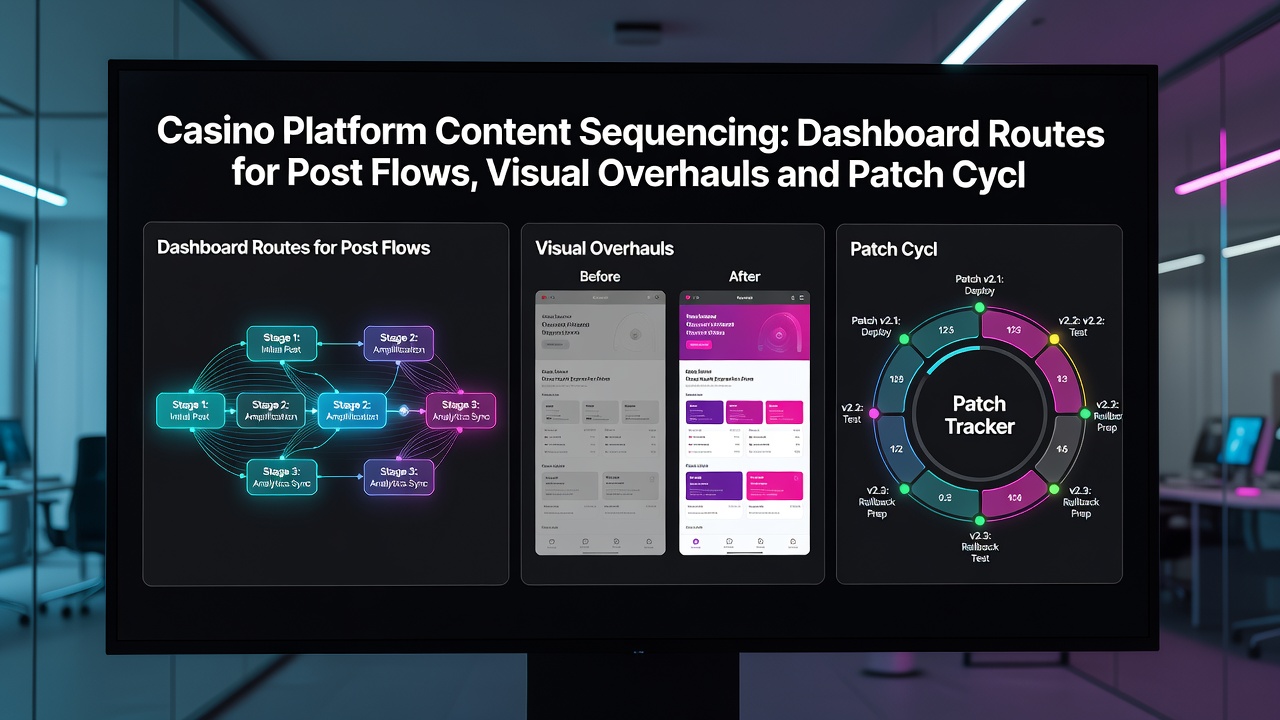
Design refreshes occur at set intervals, typically every twelve to eighteen months, when platforms introduce new color schemes, navigation layouts, and hero imagery to keep interfaces current with evolving player preferences. Teams coordinate these overhauls alongside content sequencing so that promotional posts align with the new visual direction from day one, preventing mismatched elements during the transition period. Data compiled by the Canadian Gaming Association shows that sites completing visual updates in coordinated batches retain higher session durations compared to those rolling out changes piecemeal, and the same reports highlight how color contrast adjustments improve accessibility compliance across jurisdictions.
Patch Cycles and System Stability Measures
Regular patch deployments address security vulnerabilities, add new game mechanics, and refine backend algorithms, yet operators schedule these cycles to avoid peak traffic windows and minimize player interruptions. Maintenance windows often fall between 3 a.m. and 6 a.m. local server time, allowing content sequences to resume seamlessly once updates complete. According to figures released by the Nevada Gaming Control Board, platforms averaging four to six patches per quarter maintain stronger uptime records, and those same operators frequently bundle minor visual tweaks with larger security patches to streamline deployment efforts. Teams track patch performance through internal dashboards that log completion rates and flag any content sequencing conflicts that arise during rollout.
Regional Variations in June 2026 Scheduling
By June 2026 several platforms across Australia and parts of Europe had aligned their patch cycles with upcoming sporting events, timing content drops around major tournaments to capitalize on increased visitor numbers. Australian operators, guided by standards from the Northern Territory Government, adjusted post flows to include localized responsible gaming messages during these high-traffic periods, while visual overhauls incorporated event-themed graphics that refreshed automatically after the tournaments concluded. This synchronization reduced the need for emergency patches and kept content sequences on their original calendars despite external pressures from seasonal promotions.
Coordination Between Teams and Tools
Content managers, designers, and technical staff share unified planning documents that outline every stage of sequencing, from initial post creation through final visual integration and post-patch verification, and this shared framework prevents overlaps that could delay launches. Platforms increasingly rely on automated alerts when a scheduled patch threatens to interrupt an active content flow, giving teams time to reroute posts or adjust visual elements before deployment. Those who've studied these workflows at scale observe that clear handoff protocols between departments cut average revision cycles by nearly a third, allowing faster adaptation to new regulatory requirements without sacrificing publication schedules.
Conclusion
Gambling platforms continue refining their approaches to content sequencing, visual updates, and patch cycles through iterative testing and cross-department collaboration, producing more resilient systems that support steady player experiences year after year. The patterns established by mid-2026 demonstrate how coordinated planning across time zones and regulatory environments keeps operations running smoothly while meeting both commercial and compliance goals.