Secure Authentication Frameworks and Content Innovation Pathways in Immersive Digital Gaming Environments
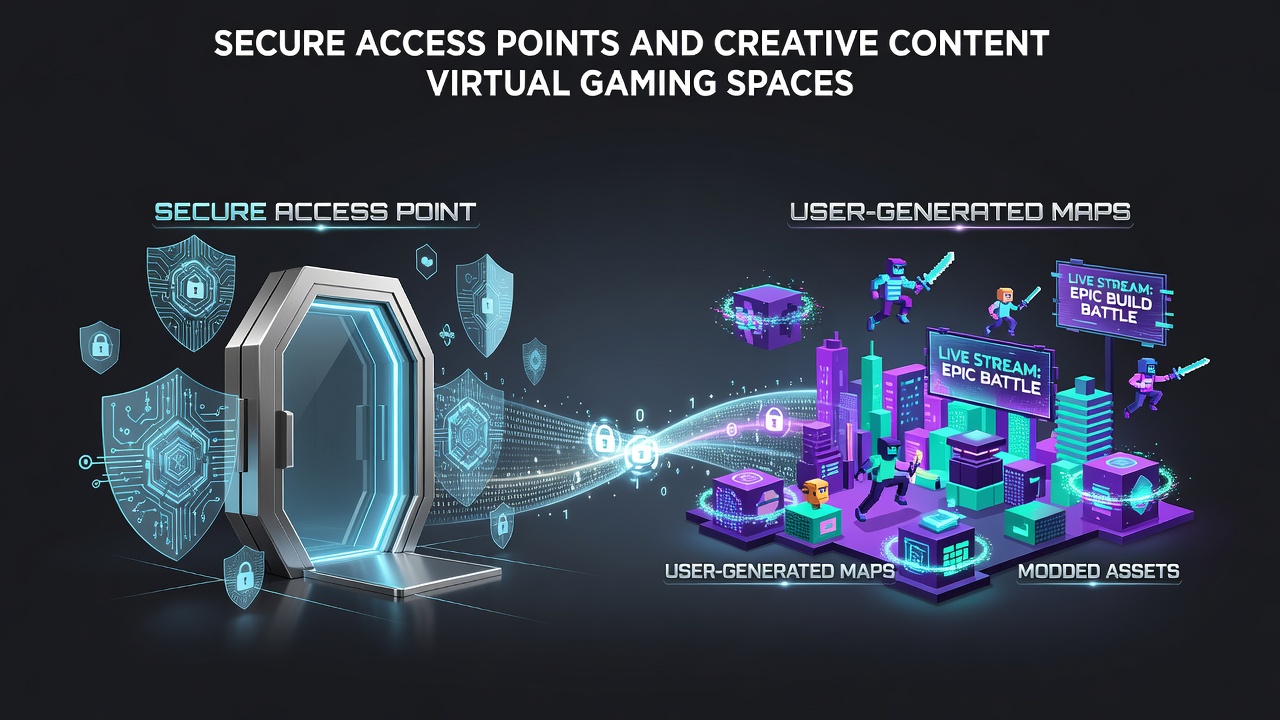
Virtual gaming spaces rely on layered authentication systems that verify user identities before granting entry to servers and worlds, and these mechanisms directly influence how developers roll out new assets, updates, and player-driven creations. Research from the International Game Developers Association shows that platforms maintaining multi-factor protocols experience fewer unauthorized intrusions, which in turn allows teams to schedule content deployments with greater predictability during peak usage windows in 2025 and beyond.
Access points in these environments typically combine password requirements, device verification, and behavioral analytics to filter traffic, while creative deployment covers everything from seasonal events and character skins to community-generated maps that appear live within hours of approval. Observers note that tighter controls at the entry stage reduce downtime caused by exploits, giving designers clearer windows to push fresh material without risking widespread disruption.
Core Components of Secure Access in Gaming Networks
Modern platforms implement token-based logins that expire after set intervals, alongside real-time monitoring that flags unusual login patterns from specific regions or hardware signatures. According to reports issued by the Entertainment Software Association, these measures cut account takeover incidents by measurable margins across major titles released between 2023 and 2025. Developers integrate these checks at the network edge so that legitimate players move quickly into active sessions, whereas suspicious attempts trigger additional challenges before any content loads.
Encryption standards protect data in transit between client software and central servers, and many studios now adopt zero-trust models that verify every request regardless of prior session history. This architecture supports continuous content streams because compromised accounts cannot easily inject malicious files or alter live environments. Figures from academic studies at institutions tracking digital infrastructure reveal that such frameworks correlate with higher retention rates when new creative releases coincide with stable access periods.
Methods for Deploying Creative Content at Scale
Teams distribute updates through content delivery networks that mirror files across global nodes, allowing simultaneous availability in multiple time zones without overwhelming primary servers. Patch management tools often bundle art assets, scripts, and audio together, then stage them behind feature flags that activate only after security scans complete. People who manage large-scale virtual spaces describe using automated pipelines that test each bundle against known vulnerability databases before pushing it live.
Community contributions follow similar routes once moderators review submissions through gated portals that require verified accounts. This process ensures user-generated maps or character models reach approved status only after passing both technical and policy checks, which prevents harmful code from reaching the broader player base. Data compiled by research groups focused on interactive media indicates that platforms balancing these review steps with rapid turnaround times maintain stronger engagement metrics during major seasonal drops.

How Access Security Shapes Deployment Timing and Scope
When authentication systems detect elevated threat levels, deployment schedules shift to off-peak hours or narrower geographic rollouts until the risk subsides. This adjustment protects both the new creative elements and existing player data because any breach during an active push could corrupt files or expose personal information. Experts tracking industry patterns observe that titles employing adaptive throttling around access points achieve smoother launches, as the same monitoring tools that guard logins also validate content integrity in real time.
Conversely, robust access layers enable bolder creative experiments because rollback capabilities activate instantly if anomalies appear post-deployment. Studios coordinate these capabilities through shared dashboards that display both login health and asset status, allowing teams to pause or accelerate based on live telemetry. Reports from European gaming technology consortia highlight cases where synchronized security and content systems reduced rollback frequency by integrating threat intelligence directly into the deployment workflow.
Regional Regulatory Influences on Combined Practices
Agencies in Australia and Canada have issued guidance encouraging gaming operators to align authentication requirements with content moderation standards, which affects how platforms handle cross-border player creations. These recommendations emphasize audit trails that record both login events and content approval steps, creating verifiable records for compliance reviews. Platforms operating under such frameworks often publish transparency summaries that detail how many access attempts and creative submissions they processed over quarterly periods.
Industry associations in North America continue to develop voluntary frameworks that link security certifications to content distribution guidelines, helping smaller studios adopt practices already common among larger publishers. As July 2026 approaches, several working groups plan to release updated toolkits that standardize reporting on the interplay between these two operational areas.
Conclusion
The relationship between secure access points and creative content deployment continues to evolve as platforms refine their technical stacks and respond to shifting player expectations. Organizations that treat both elements as interconnected rather than separate functions report steadier operational performance and fewer incidents that interrupt live events or community contributions. Continued monitoring from regulatory bodies and research institutions will likely shape future standards that keep virtual gaming spaces both protected and expressive.