Seamless Platform Evolutions: Admin Methods for Gambling Content and Design Renewals Amid Ongoing Play
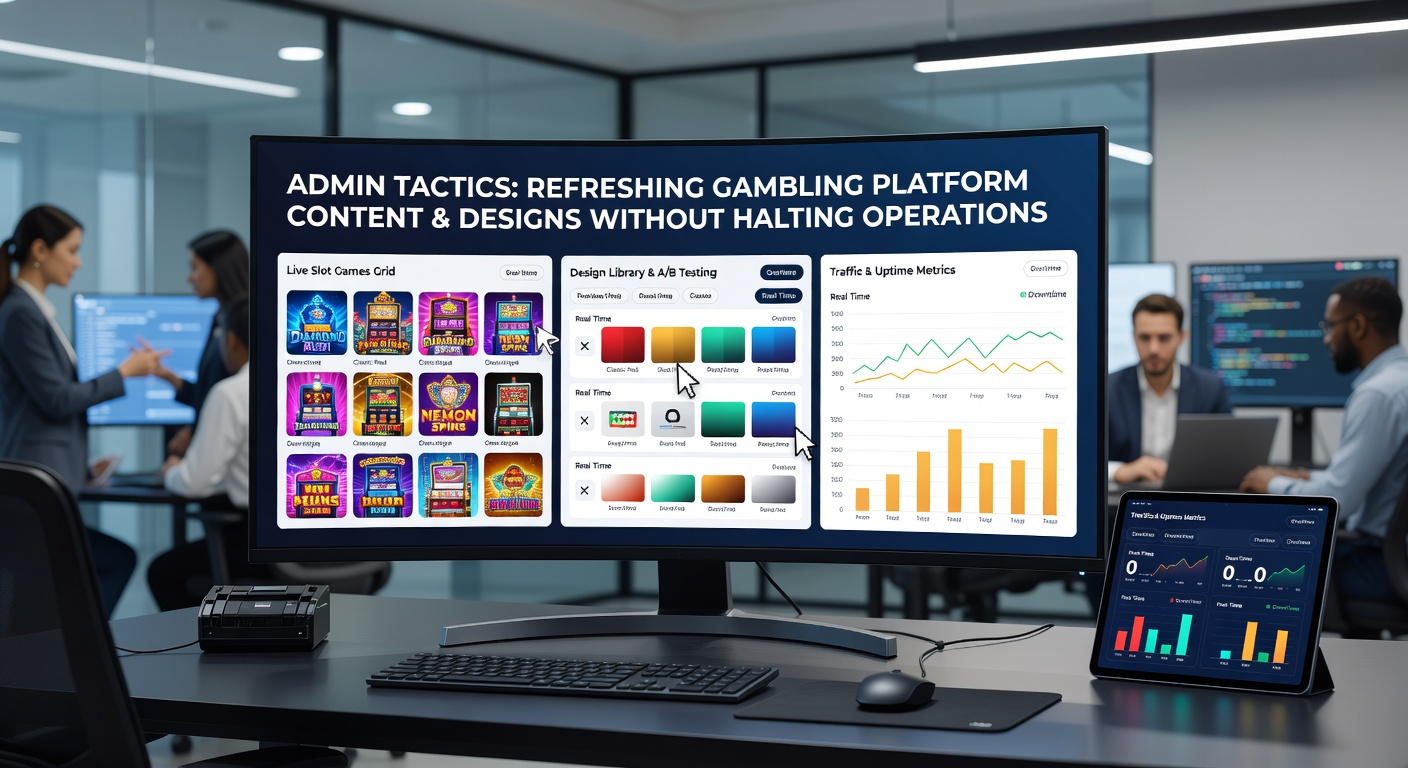
Administrators at major gambling platforms face constant pressure to refresh content and designs while keeping services available around the clock, and they achieve this through careful scheduling combined with layered testing protocols that prevent downtime. Research indicates that successful operations rely on staging environments where every change undergoes multiple rounds of validation before it reaches the live system, allowing teams to identify conflicts early and adjust accordingly without affecting user sessions. Data from industry reports shows that platforms using these methods maintain uptime rates above 99.9 percent even during major overhauls, since updates roll out in small batches that users never notice.
Preparation Through Isolated Testing Environments
Teams begin by duplicating the entire production setup into a controlled staging area where developers can experiment with new themes, images, and promotional text while the main site continues to handle real traffic. Observers note that this separation proves essential because it lets administrators simulate peak loads and verify compatibility across devices before anything goes live, which reduces the risk of errors that could force an emergency rollback. Those who've studied platform maintenance often point out how one operator in North America completed a full redesign of its lobby interface in May 2026 using this approach, and players experienced no interruptions throughout the process.
Content Management and Phased Rollouts
Content refreshes happen through modular systems that allow administrators to swap articles, banners, and game descriptions independently rather than updating everything at once. Experts have observed that breaking changes into smaller segments lets the platform absorb updates gradually, and monitoring tools track performance metrics in real time so any dip in speed triggers an automatic pause. According to findings from the American Gaming Association, platforms that adopt phased rollouts report fewer player complaints during refresh cycles because the changes feel incremental and natural rather than abrupt.
Design Tweaks Without Service Interruption
Design elements such as color schemes, navigation menus, and promotional graphics receive updates through CSS and template overrides that load alongside existing assets instead of replacing them outright. Researchers discovered that this parallel loading technique keeps the site responsive while new visuals appear, and administrators can revert individual components instantly if feedback indicates issues. Take one European operator that refreshed its mobile layout in early 2026, and the entire transition occurred over several hours with zero reported outages.
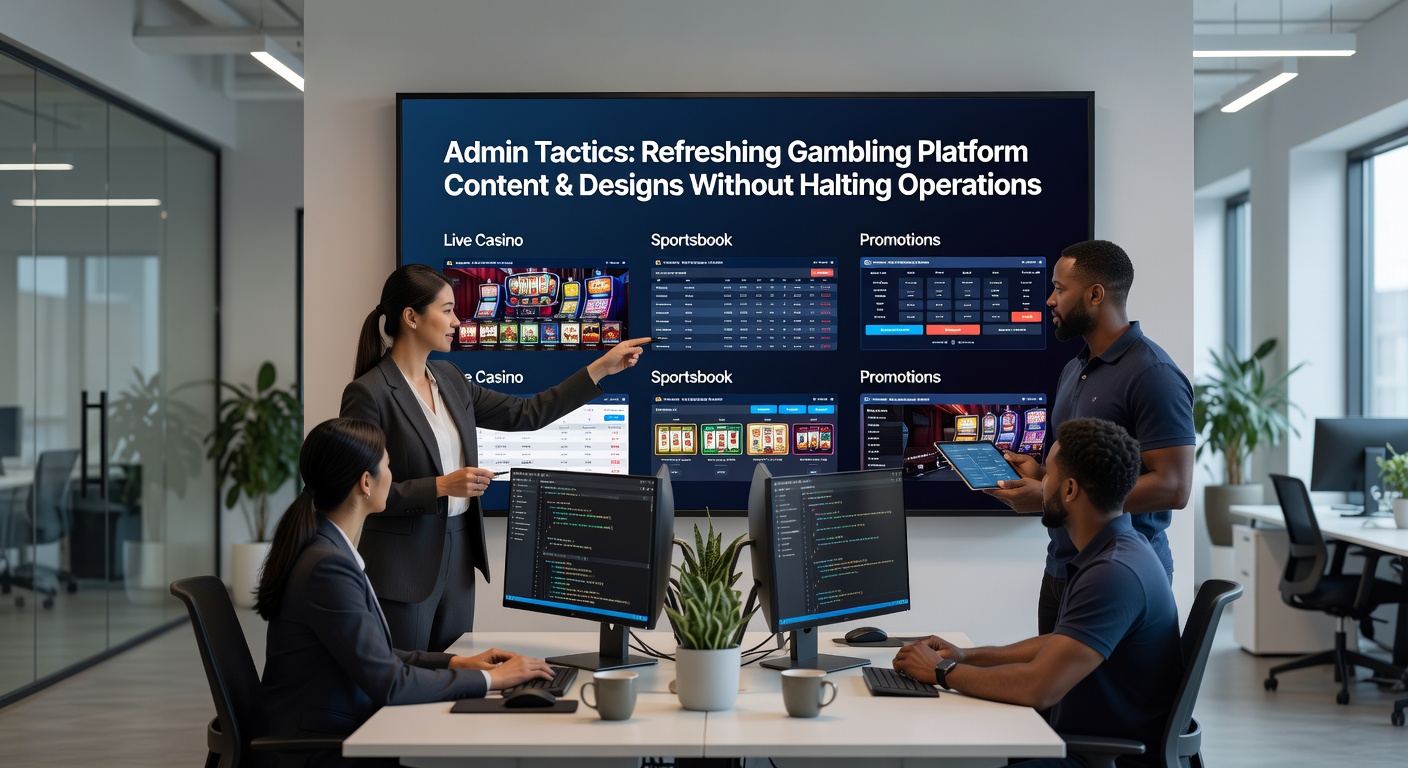
But here's the thing: administrators still maintain detailed logs of every modification so they can trace any unexpected behavior back to its source quickly. What's interesting is how these logs also help teams refine future updates based on actual usage patterns rather than assumptions.
Monitoring Systems and Immediate Response Protocols
Continuous monitoring software watches server loads, transaction speeds, and user engagement metrics during every refresh, and alerts notify staff the moment any threshold gets crossed. Data shows that teams using automated response scripts can isolate problematic updates within seconds and switch back to the previous version without players noticing a delay. Figures from a Canadian regulatory review reveal that operators employing such protocols experienced a 40 percent reduction in update-related incidents over a twelve-month period ending in 2025.
Those who've examined these tactics emphasize the value of scheduled maintenance windows chosen during low-traffic hours, even though the goal remains zero downtime. And yet platforms increasingly move beyond fixed windows by relying on blue-green deployment strategies where two identical environments run simultaneously, and traffic shifts seamlessly from one to the other when the updated version proves stable.
Conclusion
Administrators continue to refine these methods as platforms grow more complex, and the focus stays on delivering fresh experiences that keep players engaged while operations remain uninterrupted. Evidence suggests that combining staging environments, phased content changes, and robust monitoring creates reliable pathways for ongoing evolution in the gambling sector.