Navigating Backend Systems for Ongoing Content Renewal and Visual Enhancements Across Gambling Platforms
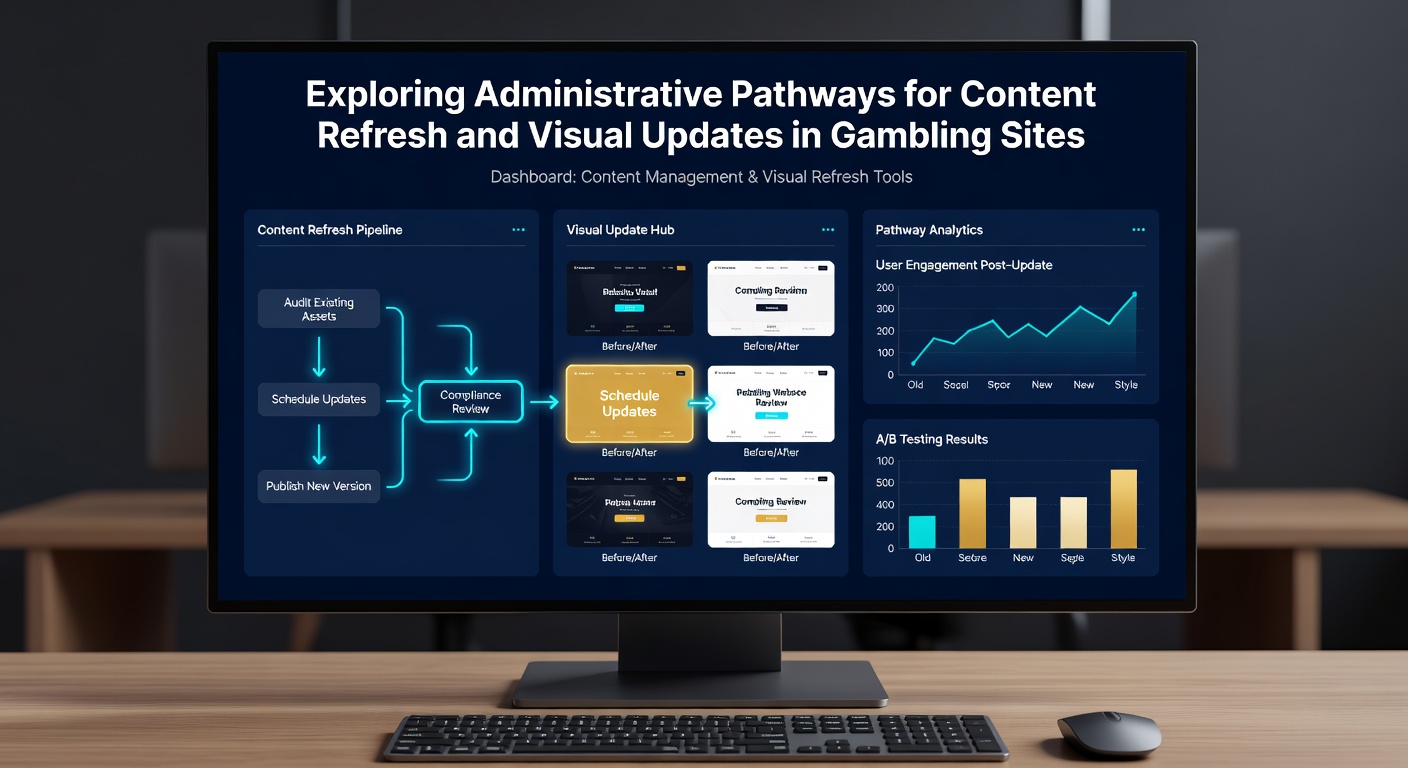
Administrative pathways in gambling platforms provide structured routes through which operators handle content updates and visual refinements without disrupting live operations, and these systems integrate with content management frameworks that support scheduled deployments alongside real-time adjustments. Research indicates that such pathways typically begin at centralized control panels where authorized personnel access modules dedicated to text revisions, image replacements, and layout modifications while maintaining compliance records for each change.
Core Components of Administrative Content Pathways
Operators often rely on layered permission structures that route content refresh tasks through approval queues, and data from industry reports shows these queues reduce errors by routing revisions past multiple checkpoints before publication. Content elements such as promotional banners, game descriptions, and regulatory notices receive updates through dedicated editors that track version histories, whereas visual assets including logos, color schemes, and interface graphics flow through asset libraries equipped with preview functions. Those who manage large-scale platforms note that integration with external design tools allows seamless import of updated graphics directly into the administrative environment, and this process supports bulk uploads that align with seasonal campaigns or market shifts.
Version control mechanisms play a central role because they enable rollback capabilities when new content requires immediate correction, and studies from academic institutions reveal that platforms using robust versioning experience fewer service interruptions during refresh cycles. Administrative logs capture timestamps, user identifiers, and change summaries which prove useful during audits, while automated notifications alert team members when specific sections approach scheduled review dates.
Visual Update Workflows and Integration Points
Visual enhancements follow parallel yet distinct routes that connect design teams with technical deployment stages, and observers note these routes frequently incorporate A/B testing modules that compare proposed layouts against existing ones before full rollout. Color palette adjustments, typography refinements, and responsive design tweaks receive validation through device simulation tools embedded in the administrative interface, and figures from recent market analyses indicate that such testing correlates with improved user retention metrics across multiple regions. External style sheets and template overrides provide flexibility for rapid visual shifts without altering core codebases, whereas plugin architectures extend these capabilities to include animation sequences and interactive elements that enhance engagement.
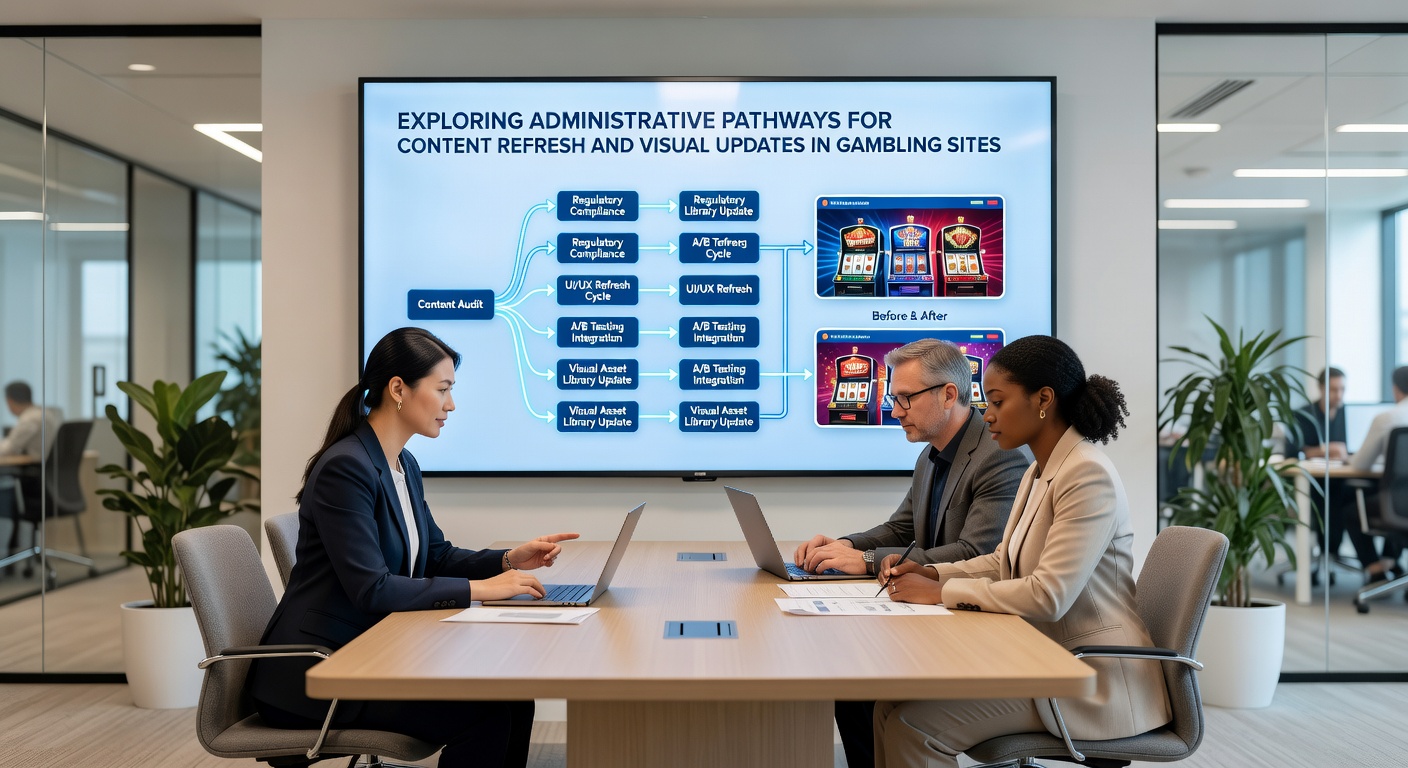
Collaboration features within administrative dashboards allow simultaneous editing sessions where contributors mark suggested changes for review, and this approach streamlines approval processes especially when multiple departments contribute to a single campaign. Data shows that platforms adopting cloud-based asset management reduce loading times for updated visuals by distributing files across optimized servers, and integration points with third-party graphic services further accelerate delivery of high-resolution images tailored to different screen sizes.
Regulatory Considerations and Scheduled Changes
Administrative pathways must incorporate compliance checkpoints that verify new content meets jurisdictional requirements before it appears publicly, and reports from regulatory bodies in Australia and Canada highlight the importance of automated scanning tools that flag potentially non-compliant text or imagery during the refresh stage. These systems generate audit trails that document every modification, and such documentation supports responses to inquiries from oversight agencies. In May 2026 certain accessibility standards for visual elements are scheduled to expand across several markets, prompting operators to route interface updates through specialized testing modules that confirm compliance with contrast ratios and navigation clarity.
Industry organizations such as the Global Gaming Association publish guidelines that administrators reference when configuring update pathways, and these resources emphasize transparent logging alongside clear delegation of update responsibilities. Research from university-led investigations into platform operations demonstrates that structured pathways minimize the risk of inadvertent regulatory breaches during rapid visual refreshes.
Case Examples of Effective Administrative Strategies
One operator in the European market implemented a centralized dashboard that routes all content proposals through a single approval interface, and this configuration reduced average update cycles from several days to under twenty-four hours according to internal metrics. Another platform in North America integrated visual asset libraries with automated compression algorithms that maintain quality while shortening page load intervals, and analysts tracking performance noted measurable improvements in session durations following these adjustments. Take one project where administrators used conditional deployment rules to release region-specific visuals without affecting global users, and the outcome illustrated how targeted pathways support localized marketing efforts efficiently.
Cross-platform synchronization tools allow simultaneous updates across desktop and mobile interfaces, and evidence from operational reviews suggests these tools prevent display inconsistencies that could otherwise arise from staggered refreshes. Administrative alerts notify teams when visual elements require optimization for emerging device formats, and this proactive approach keeps interfaces aligned with evolving user expectations.
Conclusion
Administrative pathways for content refresh and visual updates in gambling sites combine structured approval processes, version tracking, and compliance integration to support ongoing platform evolution, and the effectiveness of these systems depends on clear routing rules alongside reliable logging mechanisms. As new standards approach implementation in May 2026, operators continue refining these routes to accommodate expanded accessibility requirements while preserving operational continuity. External resources from organizations like the University of Nevada Gaming Research Center provide additional frameworks that inform pathway design across different jurisdictions, and the cumulative result supports platforms that maintain fresh, compliant presentations for their audiences.