Gaming Portal Maintainers Adopt Backend Workflows for Seamless Theme and Post Synchronization
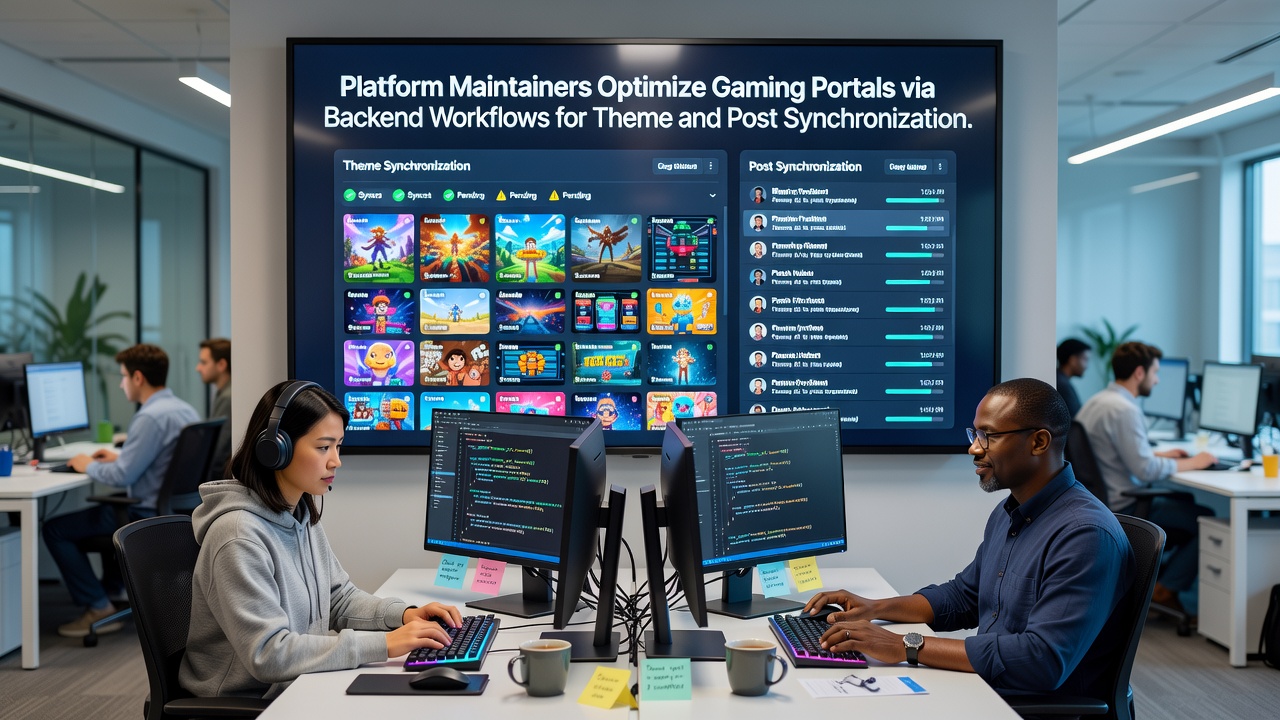 Platform maintainers handle complex requirements when managing gaming portals that demand consistent updates across themes and content posts, and backend workflows provide structured methods to achieve this synchronization without disrupting live operations. These systems connect administrative tools with content databases, allowing changes to themes such as layout adjustments or color schemes to propagate automatically while post updates remain aligned in real time. Backend processes often rely on automated scripts that monitor directories for modifications, triggering synchronization events whenever a theme file receives an edit or a new post gets published. Researchers at institutions focused on digital infrastructure have documented how such automation reduces manual intervention by up to 70 percent in large-scale deployments, according to reports from the American Gaming Association.
Core Components of Synchronization Workflows
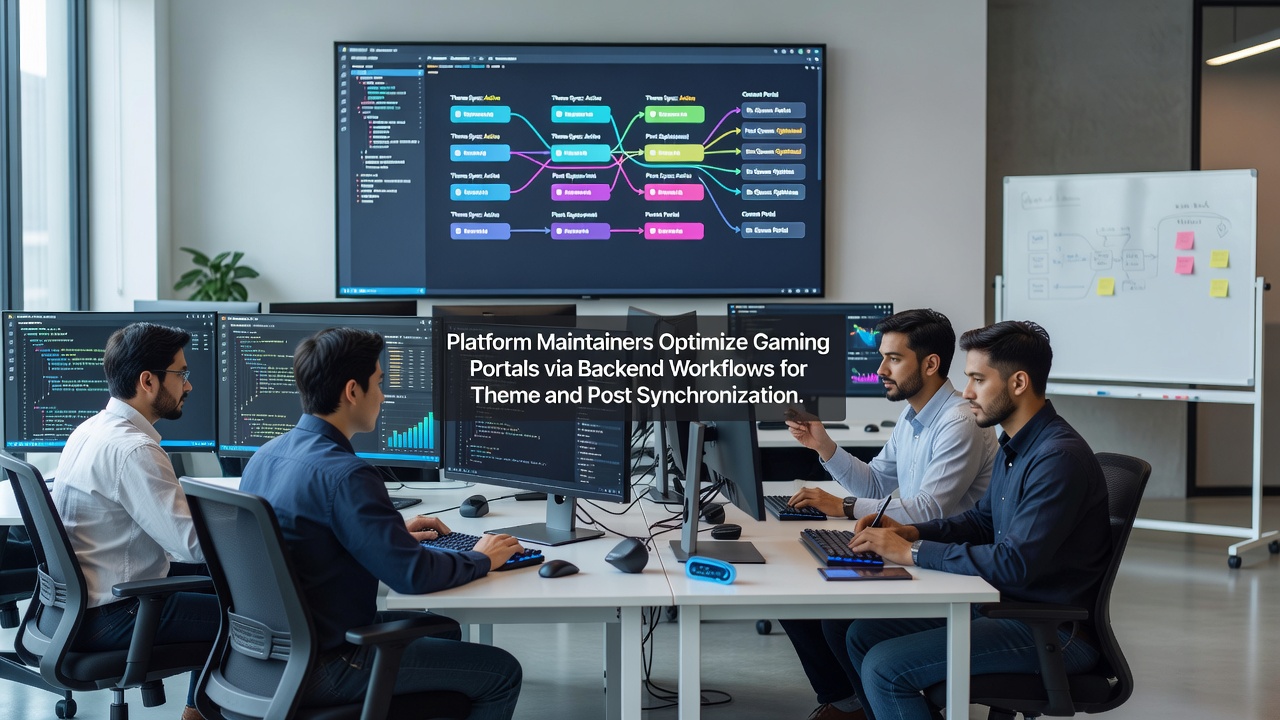
Workflows typically integrate version control systems with content management interfaces, enabling teams to track revisions across both visual elements and textual content. One common approach involves API endpoints that link theme repositories directly to post databases, so updates in either area activate checks for compatibility before deployment.
Experts have observed that database triggers play a central role here, firing when post metadata changes and verifying that associated theme assets load correctly on user-facing pages. This setup proves especially useful for portals handling high traffic volumes, where downtime during updates can affect player engagement metrics tracked by industry monitors.
Implementation Steps in Practice
Teams begin by mapping all theme files and post structures into a unified schema that defines relationships between visual components and content elements. Once established, cron jobs or event listeners run periodic scans to identify discrepancies, then apply patches through secure backend channels.
Data from the European Gaming and Betting Association indicates that portals adopting these mapped schemas in early 2025 experienced fewer synchronization errors during peak periods. In June 2026, several operators expanded these systems to include multi-region caching layers, allowing theme and post updates to reach distributed servers simultaneously while maintaining content integrity across jurisdictions.
Benefits Observed Across Deployments
Consistency emerges as a primary advantage because synchronized updates prevent situations where a new post references theme elements that have not yet loaded. Observers note that this alignment supports regulatory compliance requirements in markets where content accuracy and display standards undergo regular audits.
Additional gains appear in resource allocation, as automated workflows free technical staff from repetitive tasks and direct attention toward security enhancements or feature development. Case examples from Canadian online gaming operators illustrate how one platform reduced its update cycle from several hours to under thirty minutes after integrating these backend routines.
Challenges and Mitigation Approaches
Potential conflicts arise when theme modifications affect post rendering, particularly with custom fields or dynamic elements that pull from external feeds. Maintainers address this through staged testing environments that mirror production setups, allowing validation of synchronization results before live activation.
Those who have studied platform operations emphasize the value of logging mechanisms that record every workflow event, providing audit trails for troubleshooting and compliance verification. Such logs become critical during periods of rapid content expansion, when multiple posts and theme revisions occur concurrently.
Future Directions in Backend Optimization
Emerging tools incorporate machine learning elements to predict synchronization needs based on historical patterns, adjusting workflow priorities accordingly. Academic papers from technology research centers highlight early trials where predictive models improved update accuracy by identifying potential mismatches in advance.
Continued evolution in these areas depends on collaboration between platform teams and standards organizations that develop protocols for secure data exchange. As gaming portals scale globally, the role of refined backend workflows grows more pronounced in supporting reliable theme and post management across diverse operational environments.
Conclusion
Backend workflows for theme and post synchronization represent established practices that platform maintainers rely upon to sustain functional gaming portals. Through mapped schemas, automated triggers, and staged validation, these systems deliver measurable improvements in consistency and efficiency while addressing the demands of expanding digital ecosystems.