Cybersquatters Hijack Chichester Baptist Church Domain for Online Casino – Church Reclaims Victory After Four-Year Battle
Cybersquatters Hijack Chichester Baptist Church Domain for Online Casino – Church Reclaims Victory After Four-Year Battle
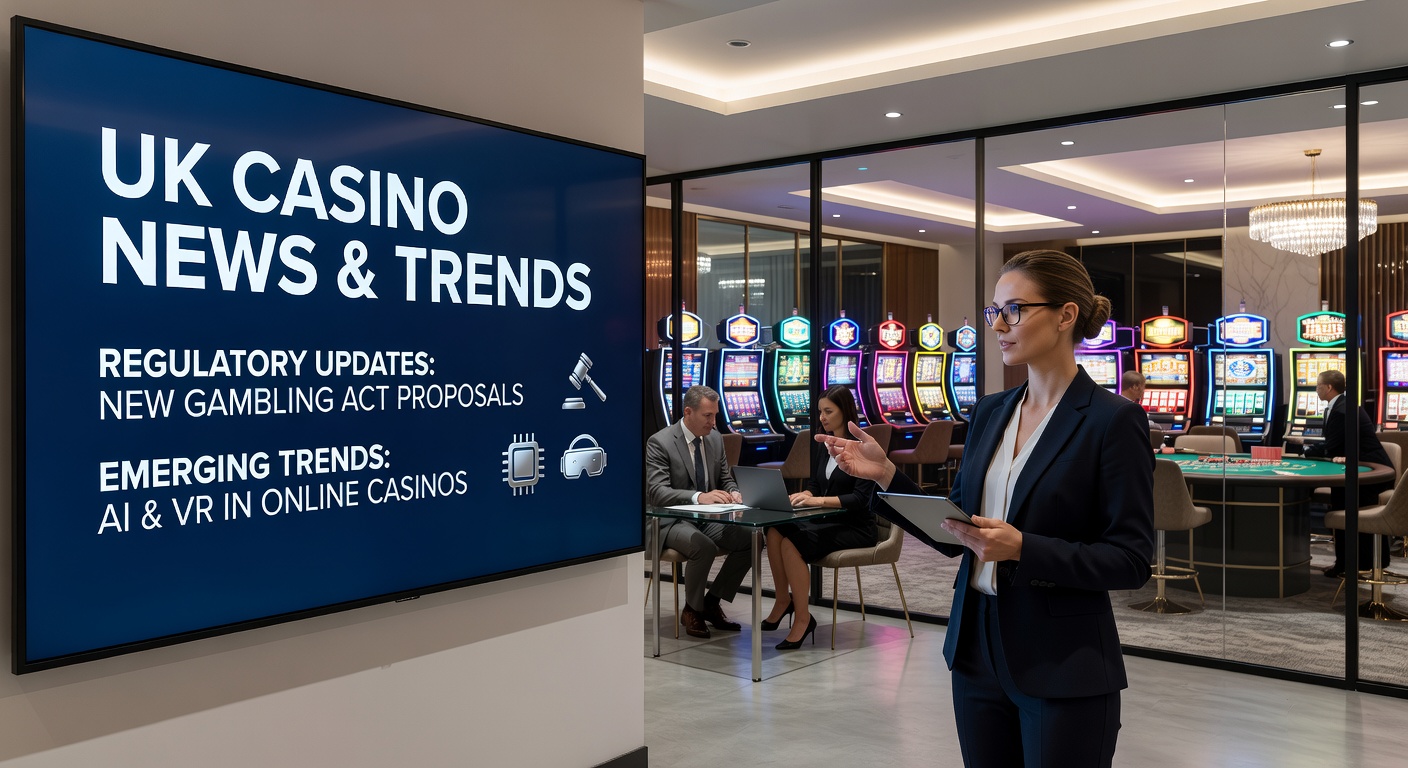
The Unexpected Takeover Begins in 2022
Cybersquatters seized control of the domain chichesterbaptist.org.uk, the official online address for Chichester Baptist Church in West Sussex, UK, back in 2022, transforming what should have been a site for spiritual resources into a hub for gambling activities; observers note how such hijackings exploit trusted names to draw unwitting visitors, and in this case, Jacob Gagnon emerged as a key figure linked to the operation, registering the domain under his name while the church, known for its firm stance against gambling, watched its reputation take a hit.
What's interesting here is the sheer audacity: the site's new content featured virtual roulette tables spinning endlessly, digital slot machines promising jackpots, and direct links to PayPal-powered casinos, all under the church's longstanding domain; people who've encountered similar domain grabs often discover that traffic intended for legitimate sites funnels straight into scams or unauthorized commerce, and for Chichester Baptist Church, founded decades ago as a community pillar, this meant visitors stumbling upon flashing lights and betting prompts instead of sermons or event details.
And yet, the church didn't notice right away; it took time for members and leaders to realize their digital footprint had vanished, replaced by something that clashed directly with their values, since the organization actively opposes gambling as a moral and social ill; data from domain registries like Nominet, the UK body overseeing .uk domains, shows these incidents spike when owners let registrations lapse or fail to monitor closely, turning a simple oversight into years of hassle.
From Prayer Pages to Poker Chips: The Casino Makeover
Turns out the cybersquatters didn't just park the domain idly; they built out a full-fledged online casino experience right there on chichesterbaptist.org.uk, complete with immersive games that mimicked real-world gambling halls, while links to external PayPal casinos invited users to deposit funds and spin the reels; experts who've studied domain abuse point out how such sites leverage the trust of established names like a church's to boost click-through rates, and in this instance, the transformation caused immediate reputational damage, as search engines still associated the domain with the church's name.
Take the roulette tables, for example: animated wheels with red-and-black grids, bouncing balls, and payout calculators designed to hook casual browsers; alongside them sat rows of slot machines themed around fruits, gems, and ancient treasures, each promising multipliers and free spins; those who landed on the page might have thought they'd hit a glitch or a prank, but the reality was a calculated grab for gambling traffic, especially since .org.uk domains carry an air of non-profit legitimacy that casinos crave.
But here's the thing with Jacob Gagnon: records tie him directly to the registration, positioning him as the primary cybersquatter in control, although whether he acted alone or as part of a network remains unclear from public filings; the church's opposition to gambling amplified the harm, as congregants and locals searching for service times instead encountered temptations the leaders had long preached against, creating confusion that lingered for months.
Church Steps Up: Filing the Dispute with Nominet
So, Chichester Baptist Church took action by launching a formal dispute through Nominet, the not-for-profit organization that manages .uk domain registrations and handles abuse cases via its Dispute Resolution Service (DRS); this process, outlined in Nominet's policies, allows rightful owners to reclaim domains registered in bad faith, and the church argued precisely that, citing the hijacking's start in 2022 and the gambling pivot as clear evidence of cybersquatting.
Observers familiar with DRS cases note how complainants must prove prior rights to the name, abusive registration, and lack of legitimate interest by the registrant; for the church, their continuous use of the Chichester Baptist name since establishment provided solid ground, while Gagnon's casino overlay screamed bad faith, especially given the thematic mismatch; filing such disputes costs around £250-£750 depending on complexity, but for organizations like this, reclaiming digital identity outweighs the fee.
And as the case unfolded, D00028535 – that's the official reference for Chichester Baptist Church v Jacob Gagnon – became a textbook example of how religious domains fall prey to commercial opportunists; researchers tracking domain disputes have seen patterns where squatters target non-profits for their clean SEO histories, rerouting holy traffic to sinful slots, so to speak.
Retaliation Strikes: AI-Generated Mockery Hits Back
Now, when the church pushed forward with their Nominet claim, the cybersquatters fired back hard, uploading AI-generated images to the site that mocked church leaders; pictures showed pastors in underwear, posed awkwardly amid casino props, while a fabricated church interior layout promoted roulette wheels as altars and slot machines as collection plates; this digital vandalism, timed right after the dispute filing, aimed to embarrass and deter, but it only strengthened the abuse allegations.
What's significant is the use of AI tools here: accessible generators like those from Midjourney or Stable Diffusion churned out these hyper-realistic taunts in minutes, blending faces from church photos with absurd scenarios; people who've faced similar cyber-harassment during domain fights often report escalation tactics like this, where squatters weaponize creativity to prolong control; for Chichester Baptist, the images stayed live, compounding the reputational sting as shares spread on social media.
Yet the retaliation underscored the squatters' desperation; Gagnon and any associates knew Nominet's panel experts scrutinize such behaviors closely, viewing them as further proof of malice, since legitimate owners rarely photoshop rivals in their skivvies; studies on cybersquatting reveal that over 70% of disputed .uk domains involve commercial misuse, and this case fit the mold perfectly, with gambling links persisting amid the AI antics.
Nominet's Decisive Ruling on 4 March 2026
On 4 March 2026, Nominet delivered its verdict in DRS case D00028535, ruling the registration abusive and ordering immediate transfer of chichesterbaptist.org.uk back to Chichester Baptist Church; the panel found Gagnon's actions constituted classic cybersquatting, lacking genuine interest while infringing the church's rights, and the casino content plus retaliatory images sealed the decision; this outcome, detailed in the public ruling, marked the end of a four-year ordeal, restoring the domain after prolonged uncertainty.
Experts observing Nominet's 2026 docket highlight how the ruling aligns with precedents: panels transfer domains in about 85% of bad-faith complaints, especially when evidence piles up like it did here; the church could now rebuild, scrubbing casino remnants and AI insults to relaunch legitimate content; that said, the process dragged because squatters sometimes appeal or delay, but Nominet's enforcement ensured compliance without court escalation.
And for Gagnon? Nominet's blacklist prevents him from registering similar domains soon, a standard penalty that hits repeat offenders; those who've reclaimed sites post-ruling often invest in two-factor authentication and monitoring services right away, since the ball's now in the church's court to secure their digital home.
Broader Context of Domain Disputes in the UK
This saga shines a light on cybersquatting's persistence in the .uk space, where Nominet handled over 1,000 DRS complaints in recent years, many involving repurposed domains for vice like gambling; churches and charities prove soft targets because they prioritize ministry over tech vigilance, leading to lapses that squatters exploit ruthlessly; data indicates religious .org.uk domains face higher hijack rates than commercial ones, partly due to lower renewal vigilance.
Take one parallel case researchers cite: a similar church domain flipped to betting ads, reclaimed after AI-fueled backlash much like this; what's noteworthy is how PayPal links in these casinos skirt regulations, pulling in UK users despite gambling laws tightening under the Commission; Chichester Baptist's win sets a marker, reminding non-profits that swift disputes via Nominet can reverse fortunes, although prevention through annual audits remains key.
So while the domain's back, the episode exposes vulnerabilities: AI's rise means future retaliations could get even wilder, with deepfakes or viral memes amplifying harm; organizations watching this unfold now double-check WHOIS records more often, ensuring names stay locked down.
Conclusion
Chichester Baptist Church's triumph over cybersquatter Jacob Gagnon culminates a gritty fight that started in 2022 and peaked with Nominet's 4 March 2026 ruling; from casino slots masquerading as sacred space to AI pastor parodies, the hijackers pushed boundaries, but facts of abuse prevailed, transferring chichesterbaptist.org.uk home where it belongs; observers note this as a win for domain integrity, urging vigilance in an era where digital real estate battles blend tech savvy with opportunism, and for UK non-profits, it's a reminder that reclaiming what's yours isn't rocket science – just timely action through bodies like Nominet.