Coordinating Technical Patches with Editorial Processes in Casino Management Platforms
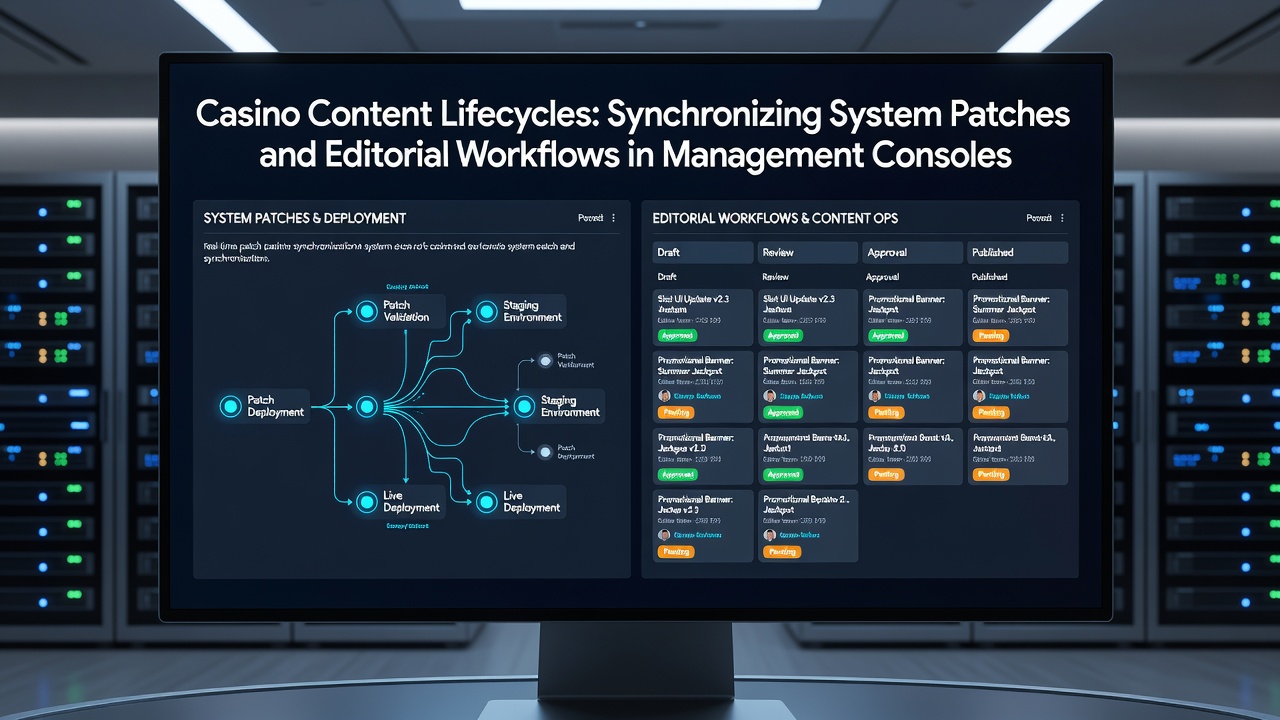
Operators in the gaming sector maintain extensive content lifecycles that span creation, review, publication, revision, and archival stages while system patches address security vulnerabilities, performance improvements, and regulatory compliance requirements, and these elements intersect inside centralized management consoles where timing becomes critical to prevent disruptions during live operations.
Management consoles serve as the central hub where technical teams deploy updates and editorial staff schedule promotions, game descriptions, and compliance notices, yet synchronization demands precise planning because a patch applied during peak content rollout can alter database structures or template rendering and force last-minute adjustments across multiple departments.
Defining the Stages of Casino Content Lifecycles
Content begins with initial drafting by writers who focus on new game releases or seasonal campaigns, moves through legal and compliance review to verify adherence to regional standards, then enters a staging environment for testing before live deployment, and finally transitions into monitoring phases where performance metrics guide further revisions or retirement of outdated material, and each stage interacts with system stability because patches may modify underlying code that supports these workflows.
Research from industry associations shows that operators who map these stages against maintenance calendars reduce downtime incidents by aligning patch windows with low-traffic editorial periods, while data indicates that un coordinated updates frequently trigger rollback procedures that delay promotional content and affect player engagement tracking.
Role of System Patches in Operational Stability
Patches arrive from software vendors or internal development teams and address issues ranging from encryption protocol upgrades to compatibility fixes for new device integrations, and they often require console restarts or database migrations that temporarily limit access to editorial tools, so teams examine patch notes for dependencies on content management modules before scheduling deployment.
Figures from the American Gaming Association reveal that coordinated patch cycles in 2025 lowered security incident rates across participating properties, and observers note similar patterns emerging in international markets where regulatory bodies require documented maintenance logs.
Integrating Editorial Workflows with Maintenance Schedules
Editorial teams rely on content calendars that forecast publication dates for reviews, bonus announcements, and responsible gaming resources, and these calendars now incorporate technical maintenance blocks provided by system administrators who flag upcoming patches weeks in advance, allowing writers to complete drafts and approvals prior to any potential interface changes.
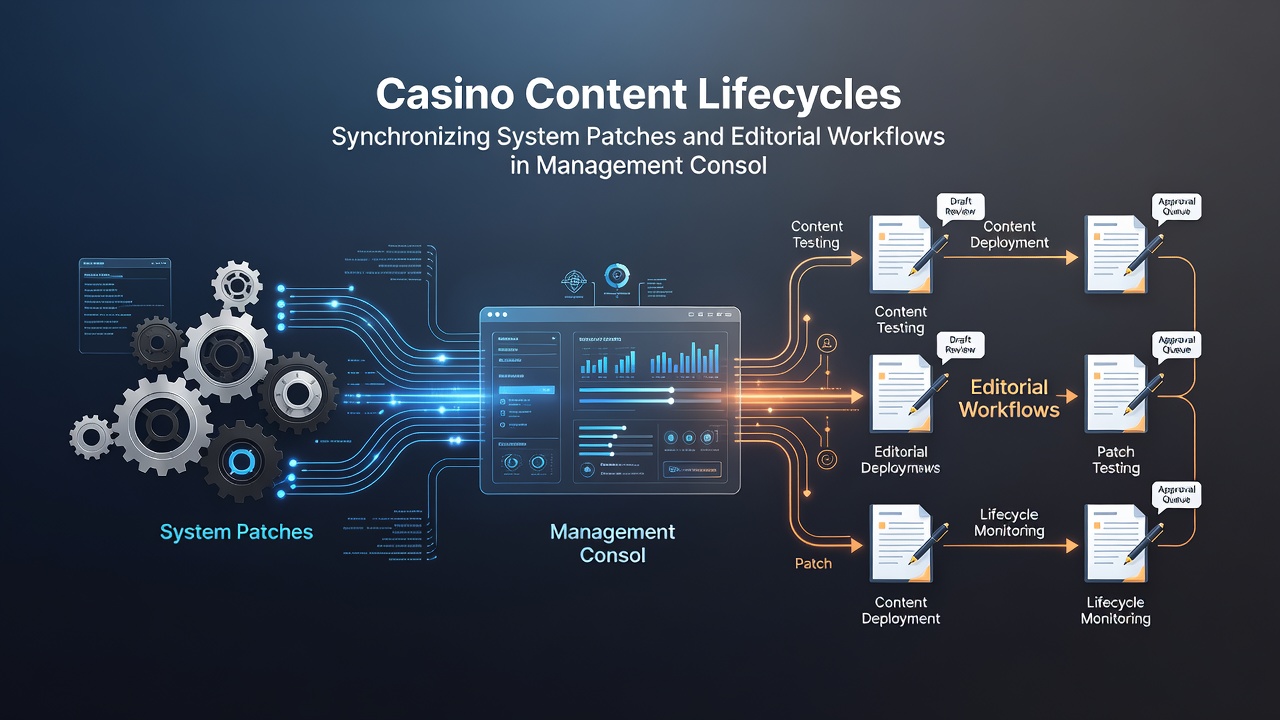
What's interesting is how consoles increasingly feature shared dashboards that display both patch status indicators and content approval queues, enabling real-time visibility so that an editorial change request does not collide with a database optimization routine, and reports from June 2026 highlight several platforms that adopted automated conflict detection to flag overlapping activities before they escalate into production issues.
Tools and Protocols for Synchronization
Modern consoles employ version control systems that tag content assets with metadata linking them to specific software builds, which allows teams to verify compatibility when a patch introduces new fields or alters API endpoints, and protocols often include pre-patch content freezes lasting 24 to 48 hours to permit final testing without interference from ongoing edits.
One case documented by the Canadian Gaming Association illustrated how a mid-cycle patch affecting user authentication modules required editorial staff to pause revisions to loyalty program landing pages, yet advance coordination through shared ticketing systems prevented any visible player-facing errors once the update completed.
Regional Variations in Practice
European operators frequently reference guidelines from the European Gaming and Betting Association when establishing patch windows around major sporting events that drive increased content volume, whereas Australian jurisdictions emphasize integration with broader digital infrastructure standards that mandate separate environments for testing synchronized changes before live rollout.
These approaches share the common thread of treating content and system elements as interdependent rather than sequential, which reduces the frequency of emergency interventions when patches reveal unforeseen content rendering problems.
Conclusion
Effective management of casino content lifecycles alongside system patches hinges on shared visibility within consoles, documented timelines, and cross-functional communication that anticipates interactions between editorial deadlines and technical requirements, and continued refinement of these processes supports stable platform performance across evolving regulatory landscapes.