Coordinating System Maintenance with Editorial Workflows in Interactive Betting Platforms
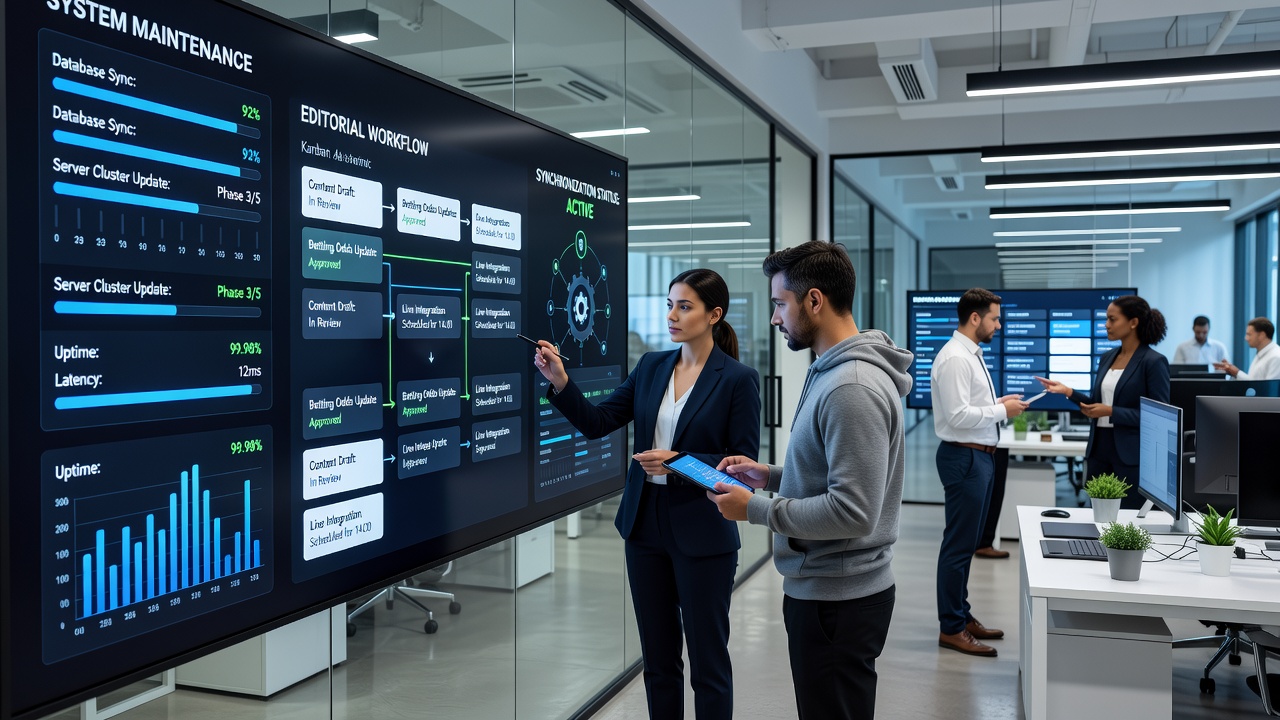
Interactive betting platforms require precise coordination between system maintenance activities and editorial processes to maintain continuous service and accurate content delivery. Maintenance tasks such as server updates, database optimizations, and security patches often intersect with editorial workflows involving odds adjustments, promotional content creation, and live event reporting. Research from industry groups shows that misalignment in these areas leads to extended downtime or content errors that affect user engagement across global markets.
Key Challenges in Synchronization
System maintenance windows typically occur during low-traffic periods yet editorial teams must publish time-sensitive materials like real-time score updates and market changes without interruption. Data from platform operators indicates that overlapping schedules create bottlenecks when technical teams lock databases for upgrades while content editors attempt simultaneous revisions. Those who manage these platforms note that timezone differences across international operations compound the issue because maintenance in one region may coincide with peak editorial activity in another.
Communication gaps between departments further complicate matters. Technical staff focus on minimizing latency and ensuring compliance with data protection standards whereas editorial personnel prioritize content freshness and regulatory accuracy in betting terms. Observers have documented cases where unsynchronized updates resulted in mismatched odds displays or broken links during major sporting events.
Effective Coordination Strategies
Platforms achieve better alignment through shared project management systems that integrate maintenance calendars with editorial timelines. Teams establish joint review meetings where representatives from both sides evaluate upcoming tasks and identify potential conflicts before they arise. This approach allows for buffer periods where non-critical editorial work pauses during essential system patches.
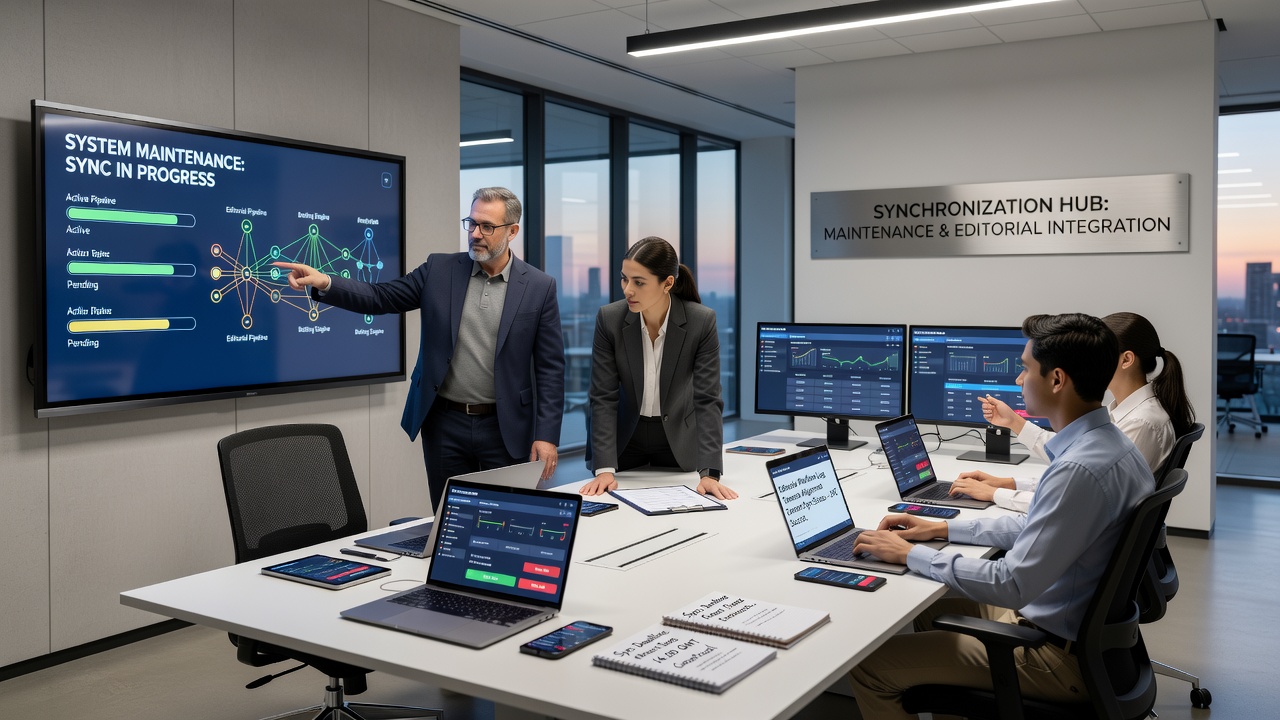
Automated notification tools play a central role by alerting relevant personnel when maintenance begins or ends. These systems tag specific content sections affected by updates so editors can prepare revised materials in advance. Figures from operational reports reveal that platforms using such tools reduce content deployment delays by measurable percentages compared with manual coordination methods.
Technological Tools Supporting Integration
Version control software adapted for both code and content enables simultaneous tracking of system changes and editorial revisions. Content management systems with API connections to backend infrastructure allow editors to stage updates that activate automatically once maintenance completes. Industry analyses show increased adoption of these integrated platforms among operators handling high-volume live betting.
Monitoring dashboards provide real-time visibility into both technical performance metrics and content publication queues. When maintenance extends beyond planned durations the dashboards trigger alerts that prompt editorial teams to adjust release schedules accordingly. This visibility helps prevent scenarios where promotional banners or event pages go live during partial system restorations.
Regulatory and Industry Context
Compliance requirements from bodies such as state gaming authorities in the United States and the International Association of Gaming Regulators emphasize operational continuity and accurate information presentation. These standards encourage documented procedures for synchronizing maintenance with content updates to avoid misleading users during service interruptions. Similar expectations appear in guidelines from the Australian Gambling Research Centre which examines how technical reliability intersects with responsible gambling messaging.
By July 2026 several major operators plan to roll out enhanced synchronization protocols aligned with emerging cross-border regulatory frameworks. These initiatives focus on standardized reporting of maintenance impacts on editorial accuracy and aim to establish industry benchmarks for minimal service disruption.
Implementation Examples
One European operator introduced a dual-approval workflow where both technical leads and editorial supervisors sign off on any overlapping activities. This process reduced instances of content appearing on partially updated systems and improved overall platform stability during peak tournament periods. Another case involved North American platforms that adopted phased rollouts allowing editorial content to deploy in segments while maintenance proceeded on non-critical servers first.
Conclusion
Successful synchronization of system maintenance and editorial processes depends on integrated planning tools, clear communication channels, and adherence to regulatory expectations. Platforms that treat these functions as interconnected rather than separate achieve more reliable service delivery and consistent content quality. Ongoing developments through 2026 will likely refine these practices further as operators respond to evolving technical and compliance demands.