Coordinating Draft Synchronization and Selective Plugin Sequences During WordPress Core Patches for Gambling Review Platforms
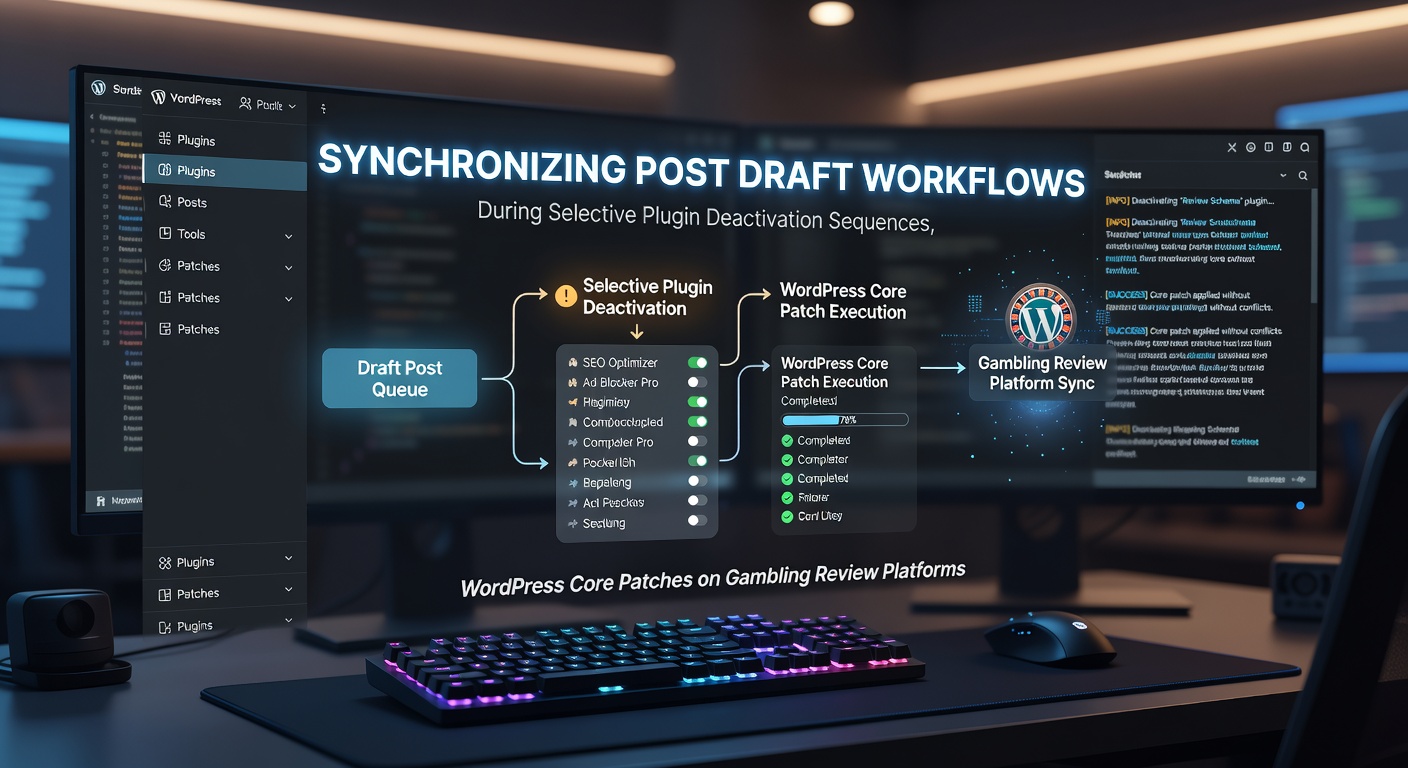
WordPress core patches introduce updates that address security vulnerabilities, performance improvements, and feature enhancements, yet these changes often disrupt ongoing editorial processes on gambling review platforms where content accuracy remains essential. Teams responsible for these sites coordinate post draft workflows with selective plugin deactivation sequences to minimize downtime and preserve draft integrity during the update cycle. Observers note that gambling review platforms rely on multiple plugins for SEO optimization, analytics tracking, and content scheduling, which means any core patch can trigger conflicts if left unaddressed.
Research from the International Gaming Institute indicates that platforms handling frequent content updates experience fewer interruptions when they establish predefined deactivation orders before applying core changes. This approach involves identifying plugins that interact directly with the post editor or database queries, then isolating them in a temporary sequence that reactivates only after the patch completes its database migrations. Data shows that such sequences reduce post-save errors by addressing plugin incompatibilities at the source rather than through reactive troubleshooting afterward.
Understanding Core Patch Impacts on Editorial Workflows
Core patches modify underlying files and database structures, which affects how WordPress handles post drafts stored in the wp_posts table alongside custom metadata from review-specific plugins. Experts have observed that plugins managing scheduled publishing or revision tracking frequently conflict with these modifications, leading to draft versions that fail to sync across user sessions. Gambling review platforms, which publish detailed analyses of game mechanics and operator comparisons, depend on uninterrupted draft access to meet editorial deadlines, and selective deactivation helps isolate these risks without halting all site functions.
With the WordPress core patch cycle advancing toward June 2026, administrators at these platforms have started mapping plugin dependencies in staging environments to test deactivation sequences ahead of time. This preparation allows teams to verify that critical review content remains editable while nonessential extensions like social sharing tools or advanced caching layers stay offline until the update stabilizes.
Establishing Synchronization Protocols for Post Drafts
Synchronization of post drafts requires maintaining consistency between local browser sessions and the central database throughout the patching process. Administrators achieve this by exporting draft data via custom queries before deactivation begins, then reimporting the information once the core files update and plugins reactivate in a controlled order. Studies from academic research groups focused on content management systems reveal that platforms using automated export scripts experience higher success rates in preserving draft timestamps and author attributions during these transitions.
One documented case involved a review site that deactivated its revision control plugin first, followed by its analytics integration, allowing the core patch to apply without overwriting draft metadata. After the update, the sequence reversed with the revision plugin reactivating before analytics tools, which restored full synchronization across multiple editor accounts. Such protocols rely on clear documentation of each plugin's role in the editorial pipeline to avoid accidental data loss.
Implementing Selective Deactivation Sequences
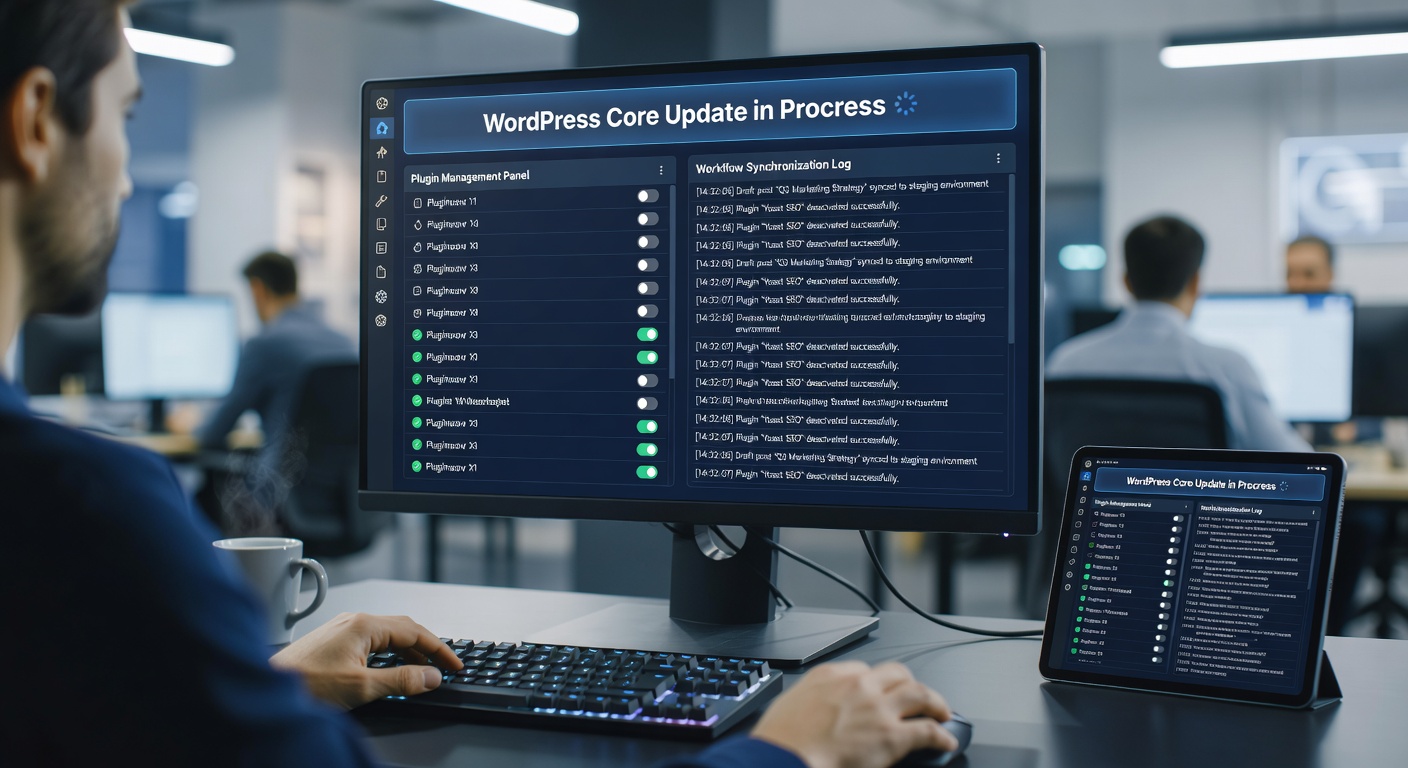
Selective deactivation follows a hierarchy based on plugin interdependence rather than alphabetical listing or installation date. Teams identify plugins that hook into WordPress core functions like wp_insert_post or the block editor first, then place them at the start of the deactivation list while leaving unrelated extensions active for site functionality. This method, according to technical documentation available through WordPress resources, supports targeted troubleshooting without broad site outages.
Platforms in the gambling review sector often incorporate additional layers such as geolocation filters and compliance checkers that must remain operational during patches, which means the deactivation sequence skips these while focusing on content-related extensions. Figures from industry reports highlight that structured sequences cut average update completion time by addressing conflicts in batches instead of one at a time after errors surface.
Monitoring and Verification After Patch Application
Once the core patch finishes, administrators reactivate plugins in reverse order and run verification checks on draft synchronization through test posts and revision comparisons. This step confirms that all scheduled content and metadata fields align with pre-patch states, while any discrepancies trigger immediate database rollbacks using backups created earlier in the process. Observers note that logging each reactivation event helps teams refine sequences for future patches based on observed behavior across different plugin combinations.
Conclusion
Effective management of WordPress core patches on gambling review platforms hinges on coordinated draft workflows paired with precise plugin deactivation sequences that protect content integrity and operational continuity. Platforms that document these processes and test them in advance position themselves to handle updates with minimal disruption to editorial output and review accuracy.