Backend Routing Strategies Enabling Persistent Modifications to Designs, Content, and System Updates Across Gambling Sites
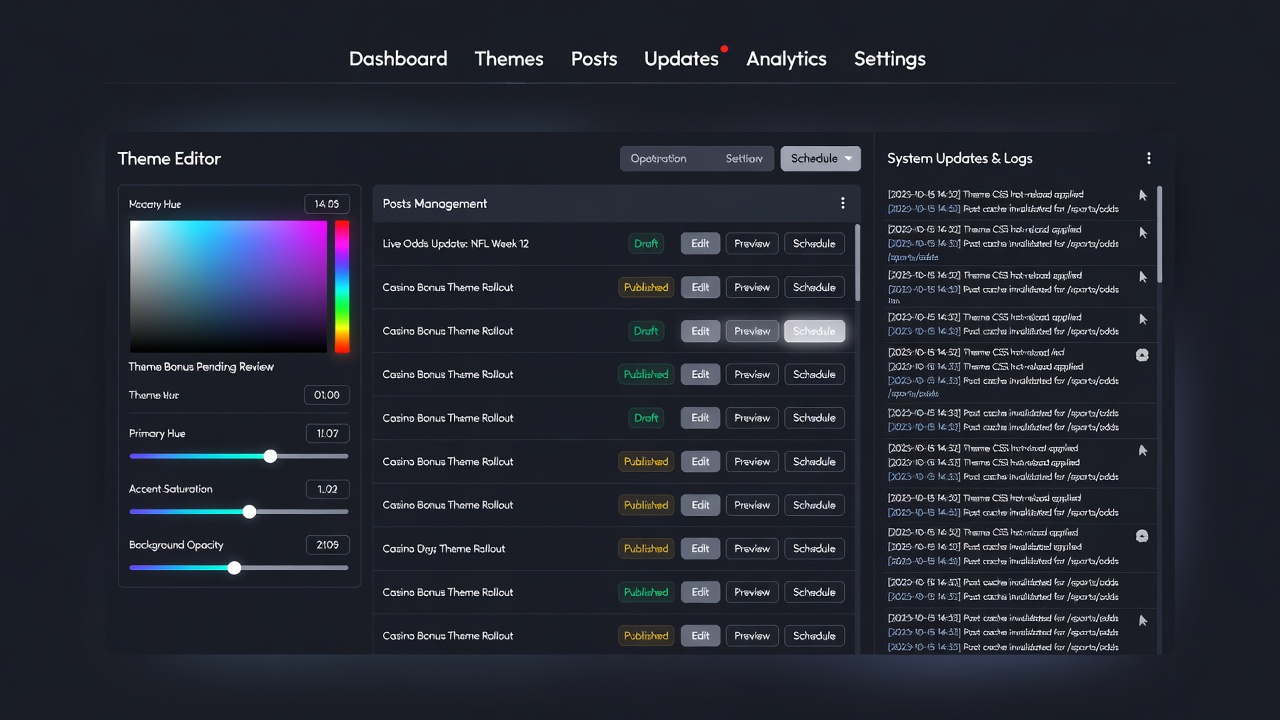
Administrative systems in betting platforms rely on structured navigation paths that allow operators to modify themes, refresh posts, and apply updates without disrupting live operations, and these pathways typically appear in layered menu structures that connect directly to database controls and file management modules. Observers note that effective routing begins at the central control panel where users select options leading to specialized sections for visual customizations, content publishing tools, and maintenance schedulers, while integrated search functions speed up access to specific configuration screens during high-volume periods.
Core Navigation Structures for Theme Adjustments
Theme modification workflows start through dedicated design hubs that list available templates alongside live preview options, and administrators follow sequential links to color palettes, layout grids, and asset upload zones where changes apply across multiple device formats simultaneously. Data from industry reports shows that platforms using hierarchical menu trees reduce the steps required to swap visual elements by up to 40 percent compared with flat list interfaces, and this efficiency becomes particularly noticeable when seasonal promotions demand rapid banner replacements or color scheme refreshes ahead of major sporting events.
Routing continues into submenus that isolate CSS overrides and plugin integration points, allowing teams to test adjustments in staging environments before pushing them live, while version control indicators within these same panels track every alteration for audit purposes. Those who manage daily operations often rely on breadcrumb trails that map the path back to the main dashboard, and this setup prevents accidental overwrites when multiple staff members work on overlapping design tasks.
Content and Post Management Pathways
Post creation and editing routes branch from content management centers that categorize entries by type, date, and performance metrics, and editors navigate through list views into individual editing canvases equipped with rich text tools and media libraries. Research indicates that platforms incorporating drag-and-drop sequencing within these pathways accelerate the publication of match previews and odds tables, especially when news cycles shift quickly during tournament seasons, and automated tagging systems embedded in the same interface maintain consistency across related articles without manual intervention each time.
Updates to existing posts follow similar flows yet include revision history panels that highlight previous versions alongside diff comparisons, enabling precise rollbacks if needed, while scheduled publishing queues sit adjacent to these tools so operators can queue future content releases during off-peak hours. In July 2026 several major platforms introduced enhanced search filters within post navigation that surface archived material based on keyword clusters and traffic patterns, streamlining the process of refreshing evergreen betting guides ahead of recurring events.
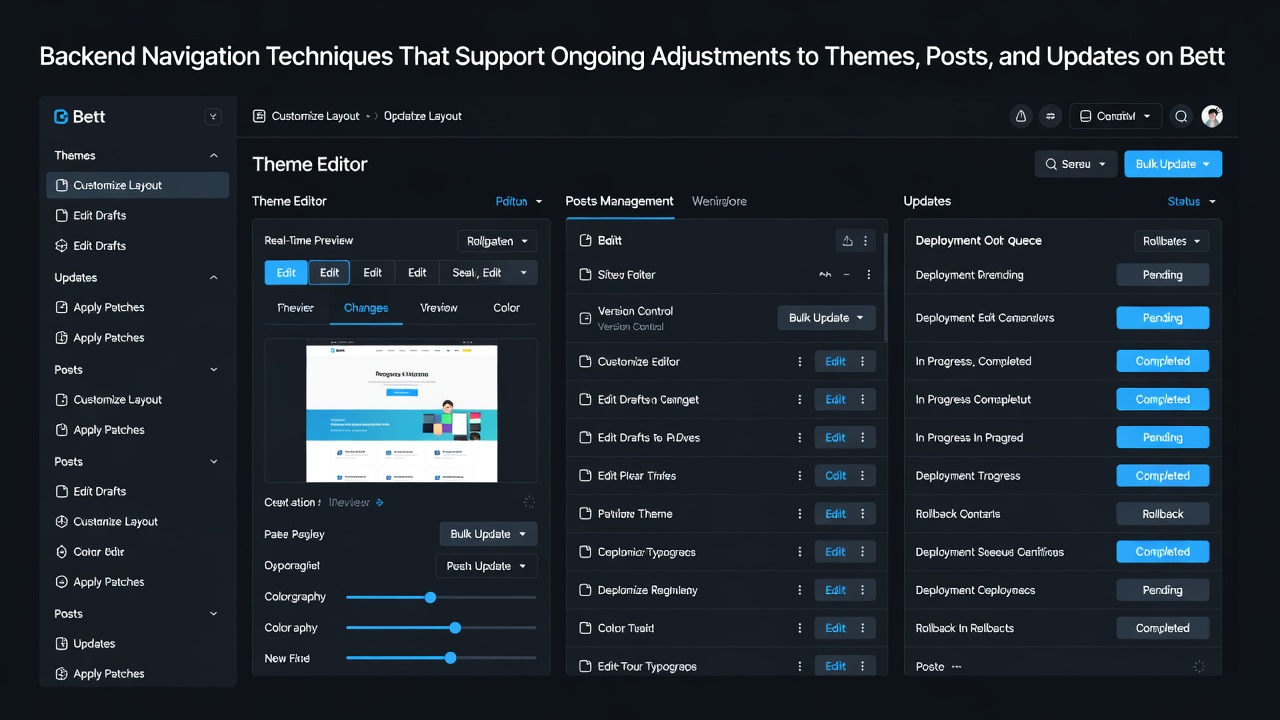
System Update and Maintenance Routing
Update management begins at security and maintenance hubs that display available patches alongside compatibility warnings, and administrators follow guided sequences that isolate core files from custom extensions before installation proceeds. According to figures from the American Gaming Association, coordinated update pathways cut downtime incidents by nearly a third when operators apply changes during designated maintenance windows, and these same routes often include rollback mechanisms that restore prior states within minutes if conflicts arise.
Plugin and extension navigation mirrors this structure yet adds dependency mapping visuals that flag potential clashes with active themes or content modules, allowing preemptive adjustments before full deployment. Teams that integrate notification systems into these pathways receive alerts when new versions become available, and the routing then directs them straight to changelog summaries that detail performance impacts and security enhancements.
Integrated Techniques for Continuous Adjustments
Combined navigation strategies merge theme, post, and update controls into unified task flows that support simultaneous edits across categories, and conditional access rules within these systems restrict certain routes to authorized personnel only. External data from the Australian Gambling Research Centre highlights how centralized routing dashboards improve compliance tracking by logging every modification against regulatory timestamps, and this approach proves useful when operators must demonstrate audit trails during periodic reviews.
Advanced setups incorporate shortcut panels that surface frequently used adjustment tools based on user roles, reducing repetitive clicks during peak activity, while cross-referenced help overlays appear alongside complex routes to clarify next steps without leaving the active screen. Observers have documented cases where betting sites adopted modular navigation frameworks that allow third-party integrations to slot directly into existing pathways, thereby extending functionality for custom reporting or automated content syndication without rebuilding core menus from scratch.
Conclusion
Backend navigation techniques that link theme controls, post editors, and update schedulers form the operational backbone for betting platforms seeking reliable ongoing adjustments, and the layered routing structures described here enable teams to maintain visual consistency, content freshness, and system stability through predictable pathways. Continued refinement of these interfaces, supported by data from organizations such as the American Gaming Association and the Australian Gambling Research Centre, helps platforms adapt efficiently as market demands and regulatory requirements evolve.