Backend Controls Empower Dynamic Feature Integration Across Gambling Platforms
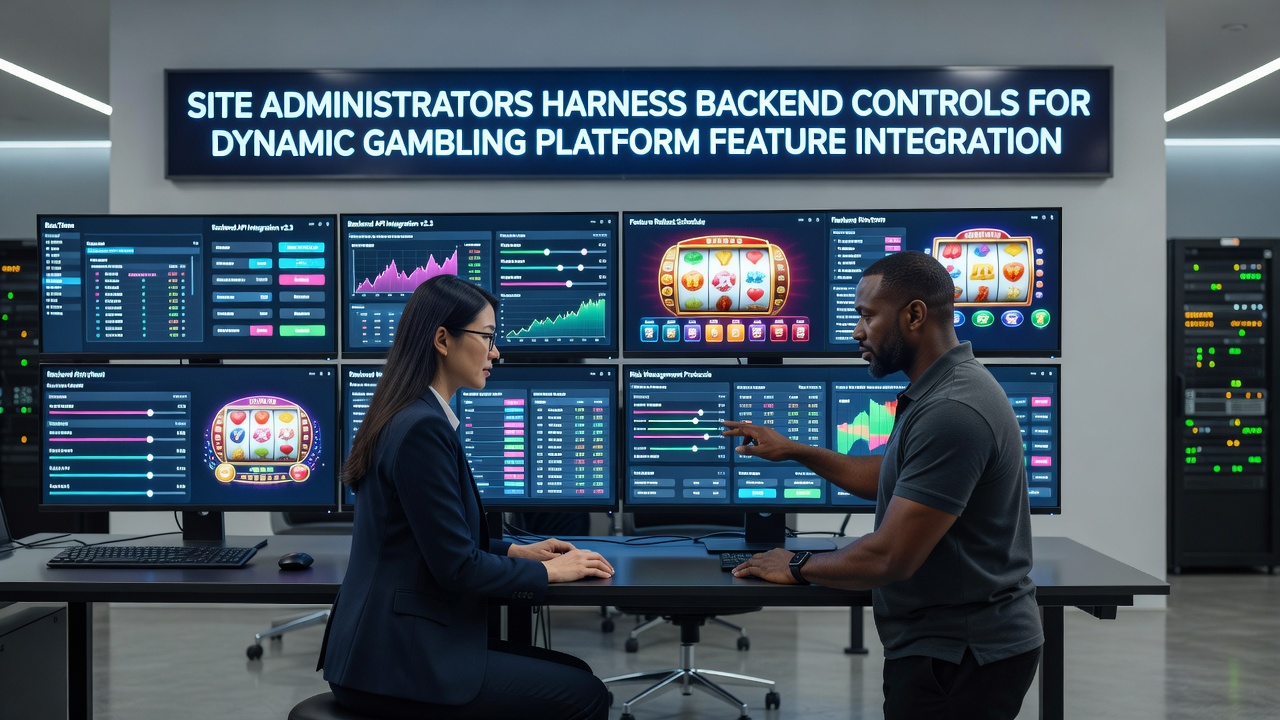
Site administrators rely on backend controls to integrate new features into gambling platforms without disrupting ongoing operations, and this approach allows for seamless updates that respond to player demands and regulatory shifts. Research from industry groups shows these controls manage everything from payment gateways to game libraries through centralized interfaces that connect directly to core databases and APIs, while data indicates that platforms adopting such systems see faster deployment cycles compared to traditional methods.
Core Mechanisms Behind Backend Integration
Administrators access layered permission systems that separate front-end user experiences from server-side logic, and this separation lets teams test features in isolated environments before pushing them live. Observers note that tools like configuration managers and version control repositories play a central role here, since they track every change and enable rollbacks when needed, whereas studies from academic institutions highlight how these setups reduce downtime during peak traffic periods by coordinating multiple servers in real time.
Dynamic integration often involves connecting third-party services through secure endpoints, yet the process stays contained within backend dashboards that monitor performance metrics continuously. People who've examined these workflows discover that administrators can toggle features on or off based on geographic rules or user segments, and this flexibility supports compliance with varying regional standards across different markets.
Practical Applications in Platform Development
Take one operator who integrated live dealer modules by routing new video streams through existing backend controls, and the result allowed players to access the feature within hours rather than days. Data from the American Gaming Association reveals that similar implementations have grown in popularity because they minimize the need for full code redeployments, while administrators maintain oversight through audit logs that record every modification for accountability purposes.
Feature flags serve as another key element, since they let teams activate promotions or new game variants selectively, and this method proves useful when responding to seasonal events or market trends. Researchers at the University of Nevada, Las Vegas have documented cases where such controls helped platforms adjust bonus structures dynamically, and the approach aligns with broader industry shifts toward personalized experiences without requiring separate builds for each audience.

Challenges and Solutions in Implementation
Security remains a priority during these integrations, because any new feature must pass through encryption layers and access restrictions that backend controls enforce automatically. Experts have observed that administrators often combine automated testing scripts with manual reviews to catch issues early, and this dual approach helps maintain platform integrity even as updates roll out across distributed server networks.
Scalability comes into play when handling increased user loads, yet backend systems equipped with load balancers and caching mechanisms handle these demands effectively. What's interesting is how administrators coordinate these elements through unified consoles that provide visibility into resource allocation, and reports indicate this reduces the risk of bottlenecks during high-traffic events like major sporting tournaments.
Looking Ahead to Industry Developments
By June 2026 several platforms plan to expand their use of backend controls for AI-driven personalization features, and this evolution builds on existing frameworks that already support modular additions. Industry organizations track these trends closely, since they promise to streamline operations while meeting evolving player expectations across global markets.
Conclusion
Backend controls continue to shape how gambling platforms evolve, and administrators who master these systems deliver features that adapt quickly to new opportunities. Evidence suggests ongoing refinements in these tools will support even more sophisticated integrations in the years ahead, and the focus stays on reliable, secure processes that keep platforms competitive and compliant.