Aligning WordPress Update Cycles with Editorial Schedules for Live Odds Platforms
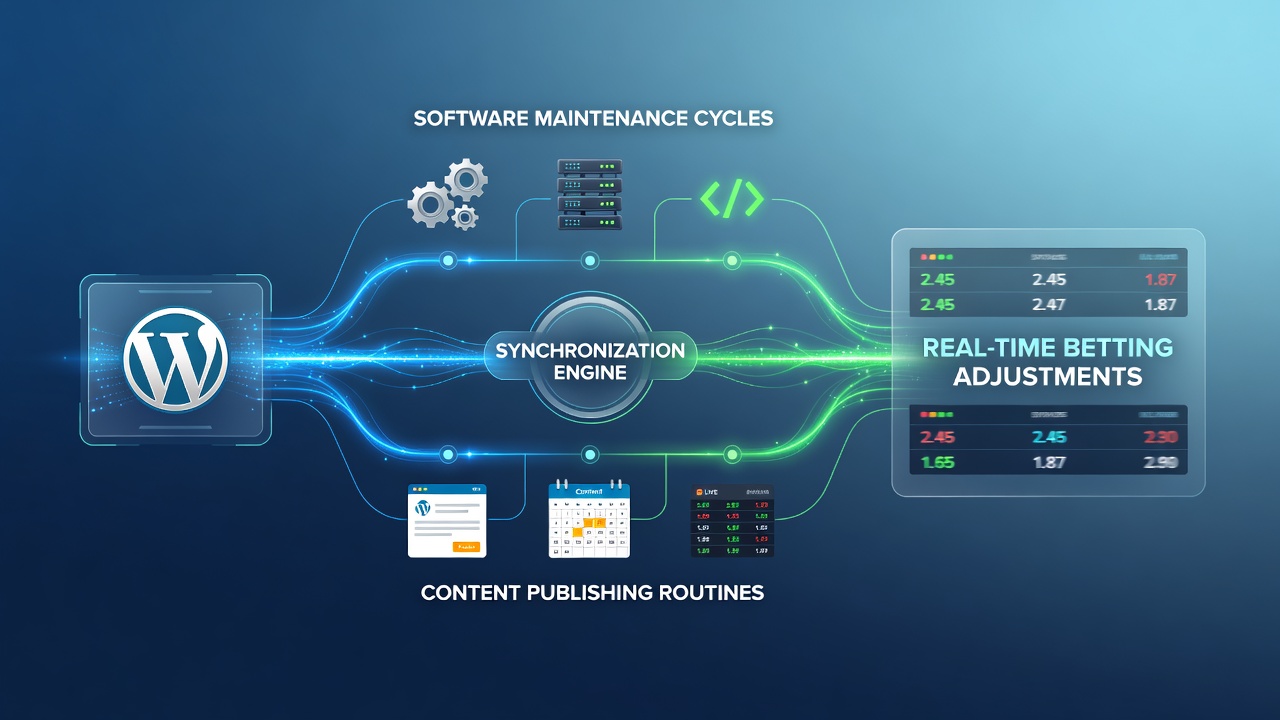
WordPress sites that handle live betting require precise coordination between core software updates, plugin maintenance, and content publishing routines, because any misalignment can interrupt real-time odds adjustments or disrupt user access during peak events. Observers note that betting platforms often publish dozens of updates daily to reflect shifting lines, team news, and market movements, so maintenance windows must fit around those publishing rhythms rather than interrupt them.
Developers typically use staging environments to test updates before applying them to production sites, and this practice allows teams to verify compatibility with custom betting plugins while keeping editorial calendars intact. Research from industry reports indicates that sites running frequent content pushes benefit from automated scheduling tools such as WP-Cron combined with server-level task managers, because these tools let publishers queue articles or odds tables without manual intervention even during backend maintenance.
Understanding Maintenance Cadences in WordPress Environments
WordPress releases core updates on a predictable quarterly cycle, while security patches arrive more frequently, and plugin authors follow their own timelines that sometimes overlap with major sporting events. Those who manage betting platforms therefore map these release patterns against their own editorial schedules, creating buffers around high-traffic periods such as major league finals or championship weekends. Data shows that untested updates applied during active publishing windows can trigger plugin conflicts that delay odds refreshes by several minutes, an interval that matters in fast-moving markets.
Administrators often configure maintenance mode plugins to display a brief notification rather than a full site outage, and they pair this approach with content delivery networks that keep cached pages available while the backend undergoes changes. Experts have observed that organizations maintaining separate content staging sites can continue drafting and scheduling new posts even when the live environment receives security patches, preserving workflow continuity.
Coordinating Publishing Routines with Backend Tasks
Content teams at betting sites frequently rely on custom post types and meta fields to store odds data, so any plugin update that alters database schemas must occur after scheduled publishing jobs complete. Teams achieve this by setting WordPress cron events to run during low-traffic hours while reserving manual publishing slots for peak periods, ensuring that real-time adjustments remain possible through lightweight API endpoints even if heavier maintenance runs in the background.
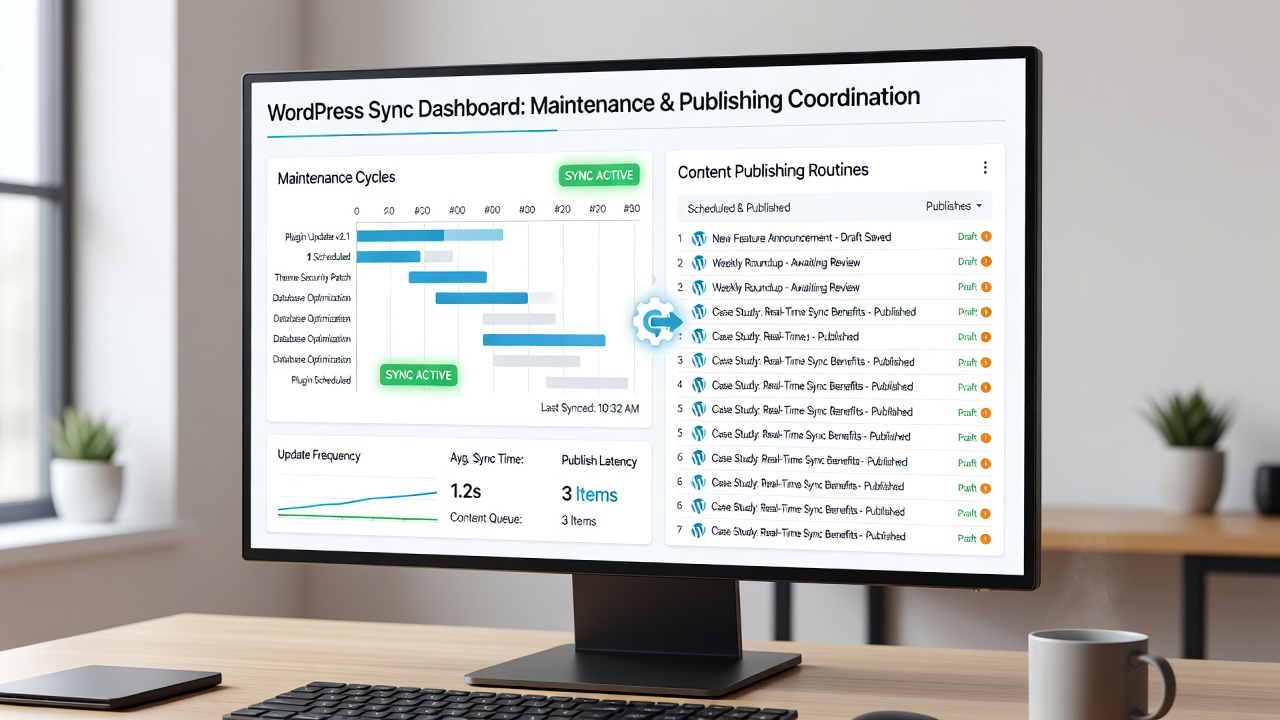
One documented workflow involves locking theme and plugin updates to specific weekdays when fewer live events occur, then using bulk scheduling features to prepare content blocks days in advance. According to the American Gaming Association, operators who align these tasks report fewer instances of odds display errors during live matches, because the publishing queue continues uninterrupted while security patches install on secondary servers first.
Practical Tools and Scheduling Strategies
Site managers employ plugins such as Advanced Cron Manager and WP Scheduled Tasks to visualize overlapping jobs, allowing them to shift maintenance actions away from content release times. They also integrate external monitoring services that alert teams the moment an update begins affecting page load times or API response rates for live betting data. In July 2026, several platforms adopted enhanced scheduling hooks introduced in recent WordPress releases, enabling finer control over when resource-intensive tasks execute relative to editorial deadlines.
Case examples show that teams using containerized hosting environments can spin up temporary instances for testing, then sync only verified changes back to production once content publishing cycles reach natural pauses. This method reduces the risk that a theme update will interfere with a scheduled post that contains time-sensitive betting adjustments.
Conclusion
Effective synchronization between software maintenance and content publishing in WordPress environments depends on mapping update cadences against editorial calendars, testing changes in isolated environments, and leveraging automated scheduling tools to protect real-time betting functionality. Organizations that implement these practices maintain continuous access to odds updates while still applying necessary security and feature patches on a regular basis.